

Have a resource suggestion? Please take a moment and complete the survey to ensure we accurately identify relevant materials for future development.
Resource Suggestion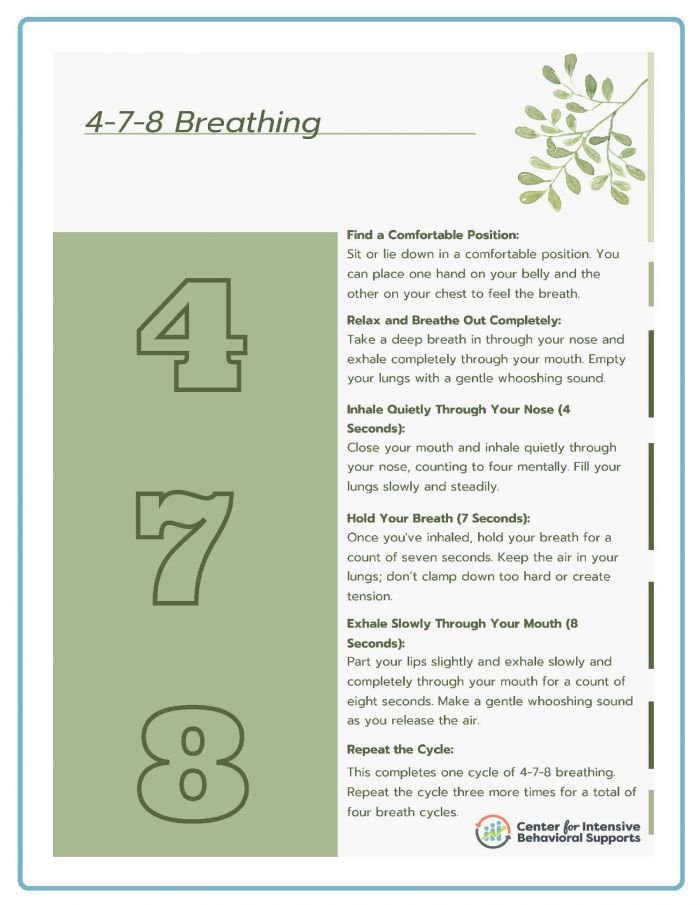
The 4-7-8 breathing technique is a simple but effective breathing exercise used to promote relaxation. It's often practiced to help manage stress, anxiety, and improve sleep.
4-7-8-breathing PDF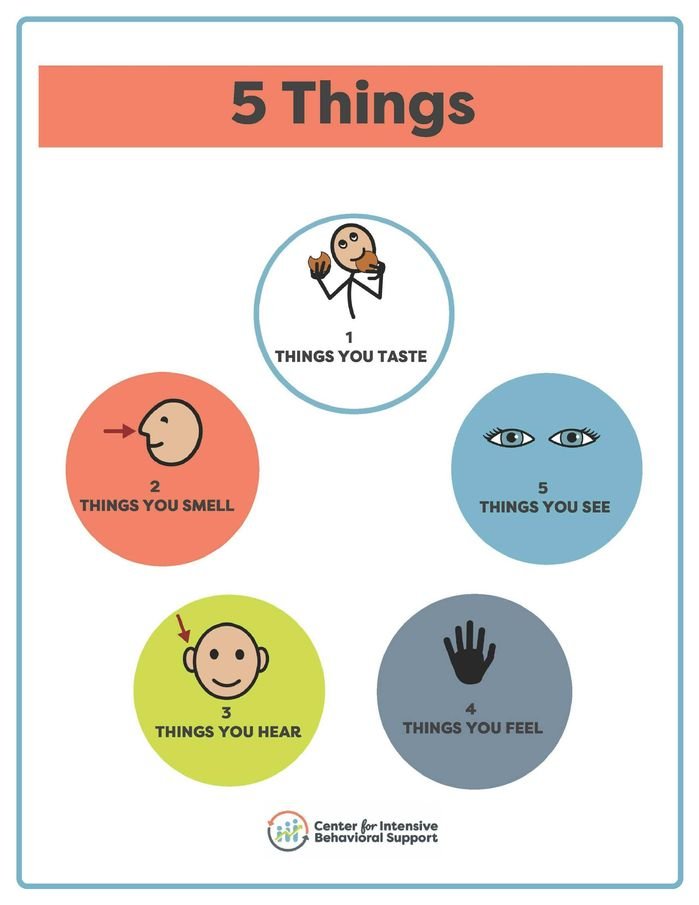
5 Things is a Mindfulness strategy that can connect students to their senses, centering the body and mind.
5 Things PDF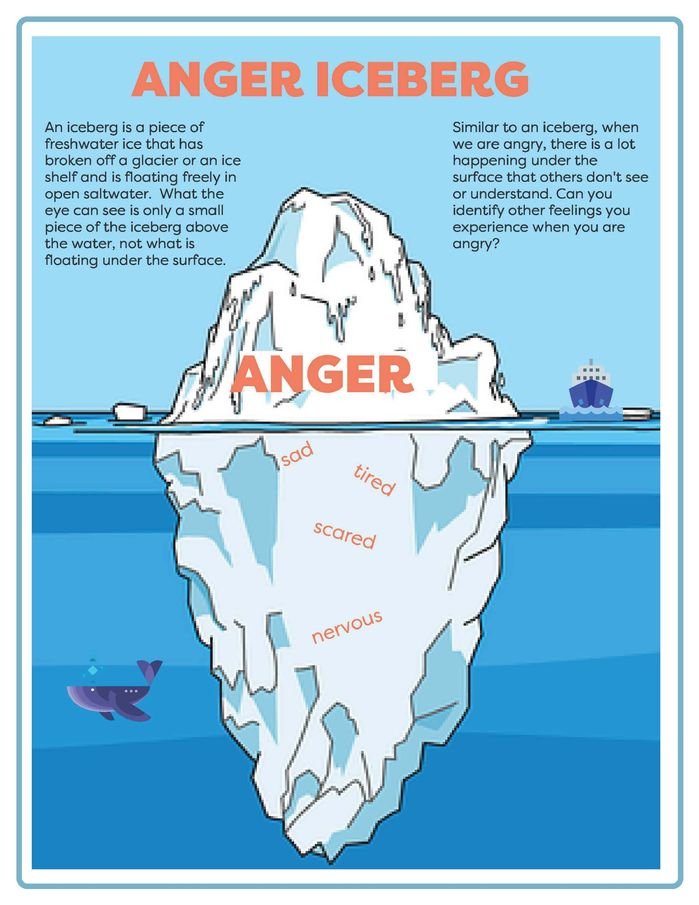
The Iceberg worksheet helps give students a visual on what may be happening under the surface when they feel angry.
Anger Iceberg PDF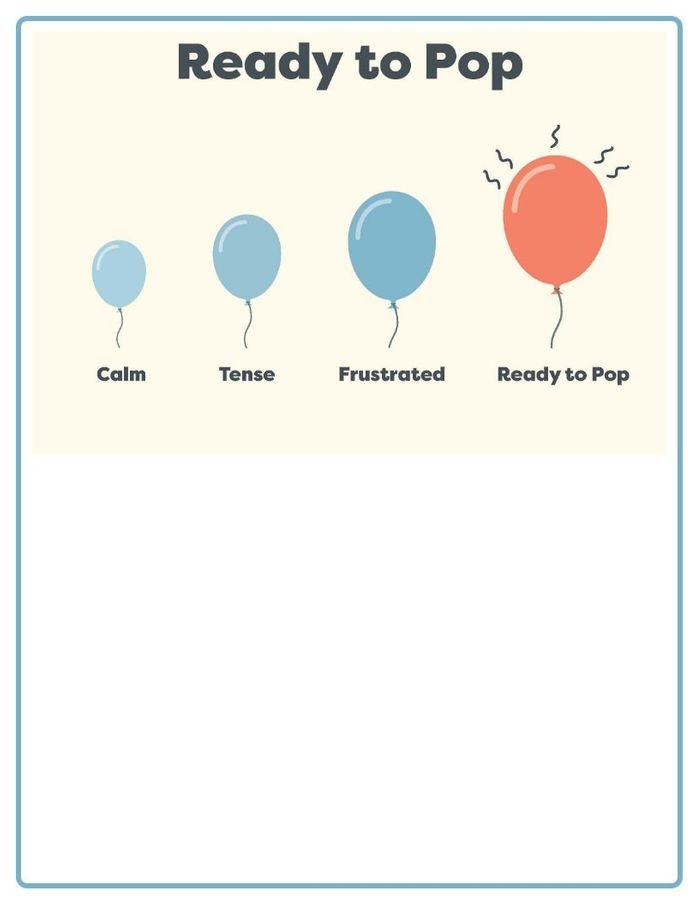
This visual helps students and educators understand emotional escalation using the metaphor of an expanding balloon. Each stage represents increasing emotional intensity, offering a shared language for identifying feelings andguiding supportive responses.
Balloon Visual PDF
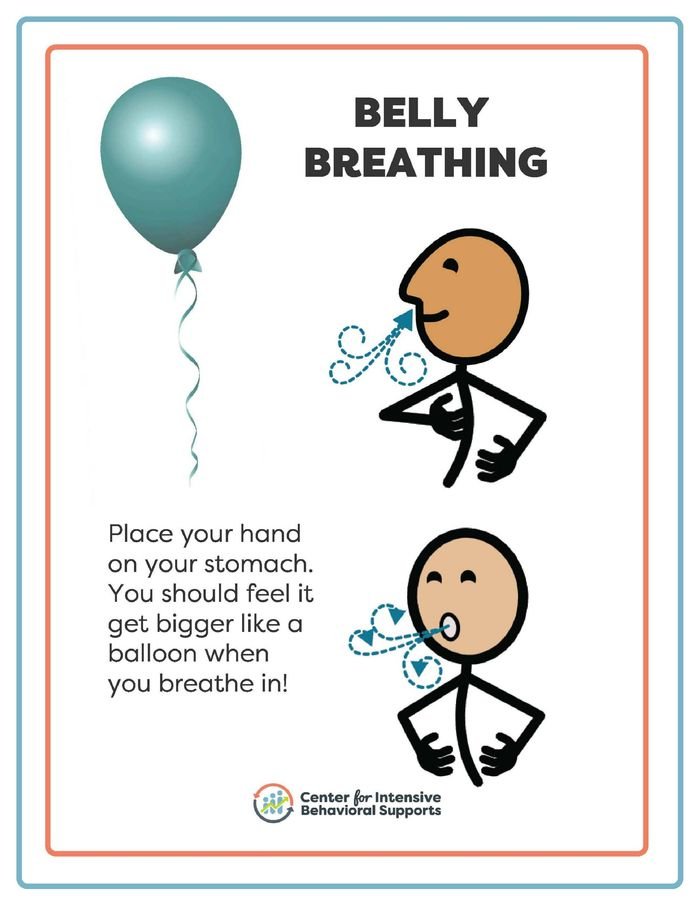
Belly Breathing allows students to feel how their body is engaged when using relaxing breathing strategies.
Belly Breathing PDF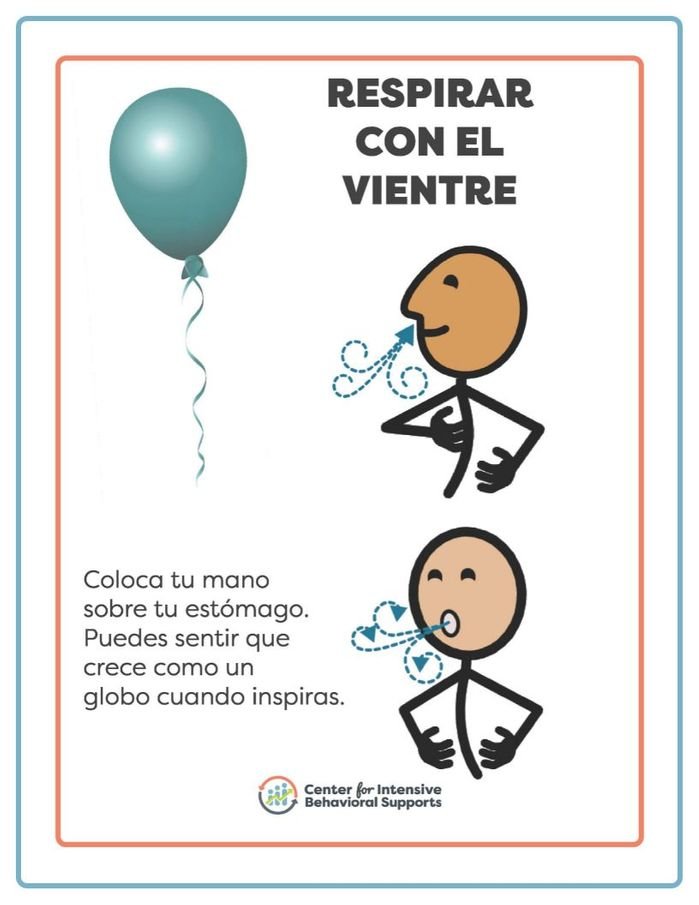
La respiración con el vientre permite a los estudiantes sentir cómo su cuerpo está involucrado cuando se utilizan técnicas de respiración para relajarse.
Respirar con el vientre PDF
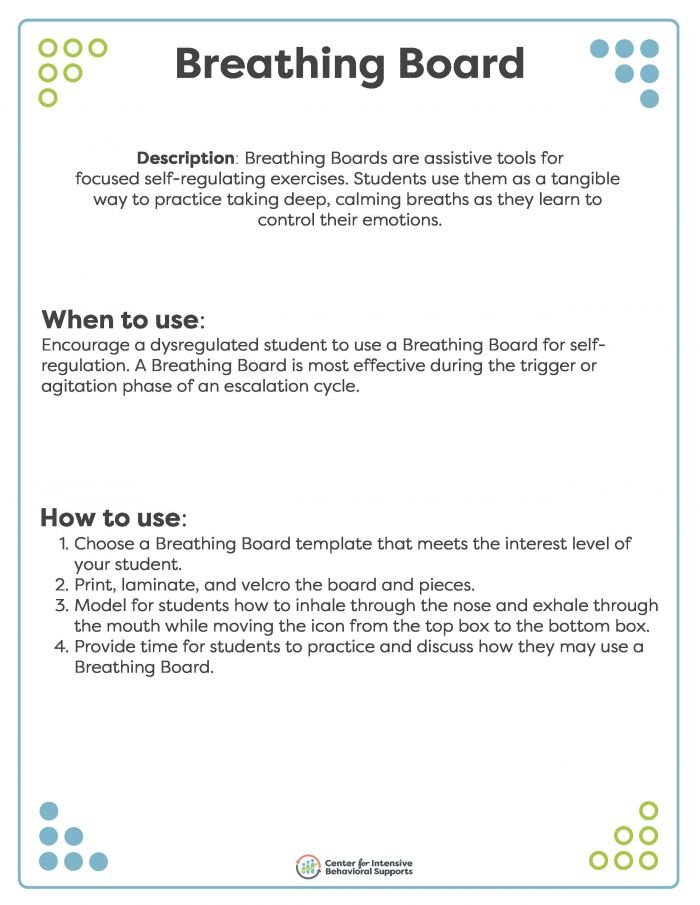
For use with the breathing board resources
Breathing Board Implementation PDF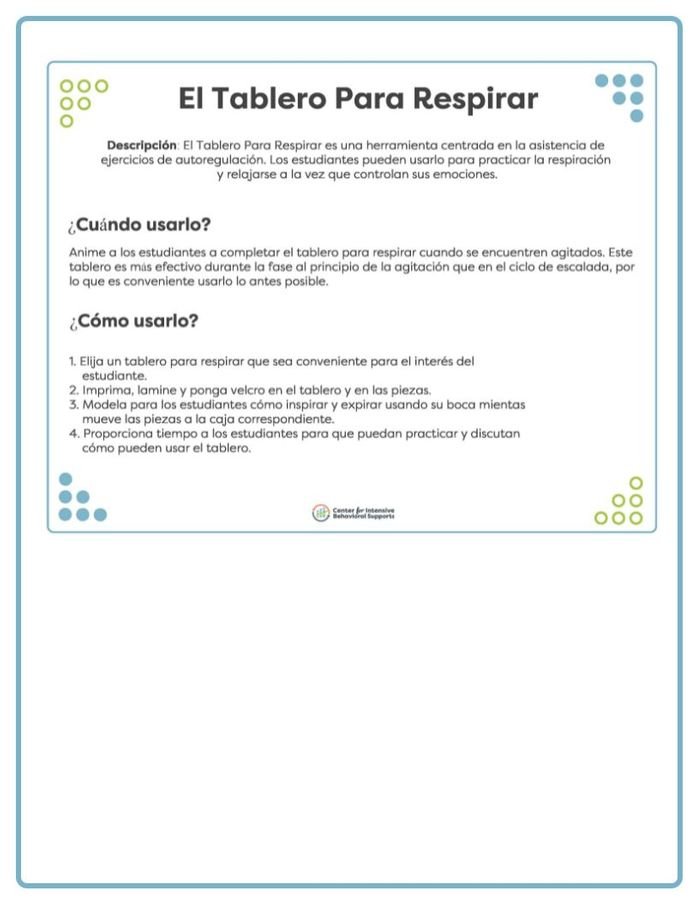
Para usar con los recursos del tablero de respiración
Implementación del Tablero de Respiración PDF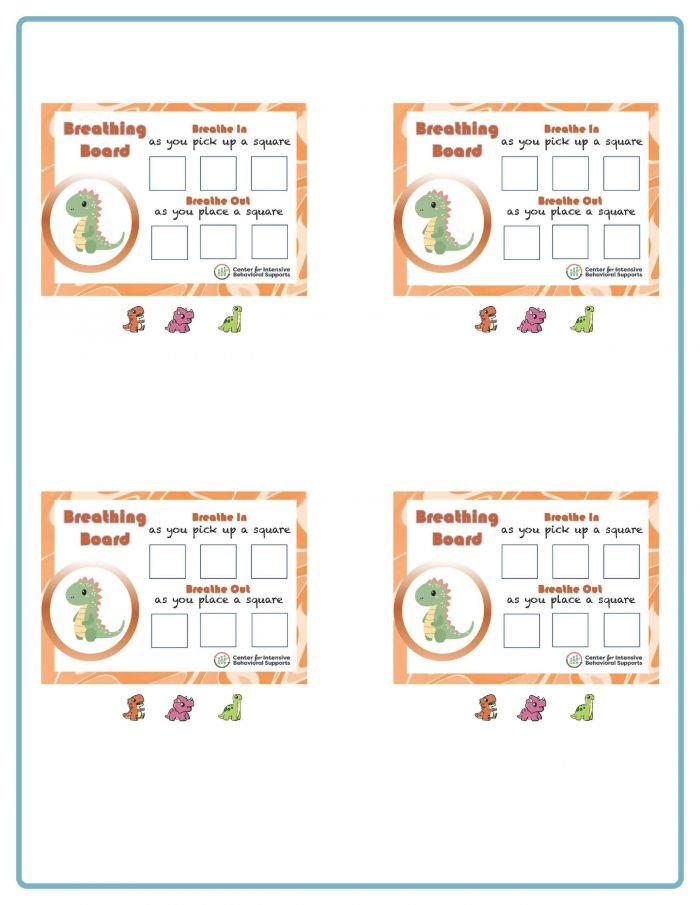
The Breathing Board handout provides an activity for youth to de-escalate. Print each board or all of the boards to support the student.
Breathing Board - 3 breaths - mini icons PPT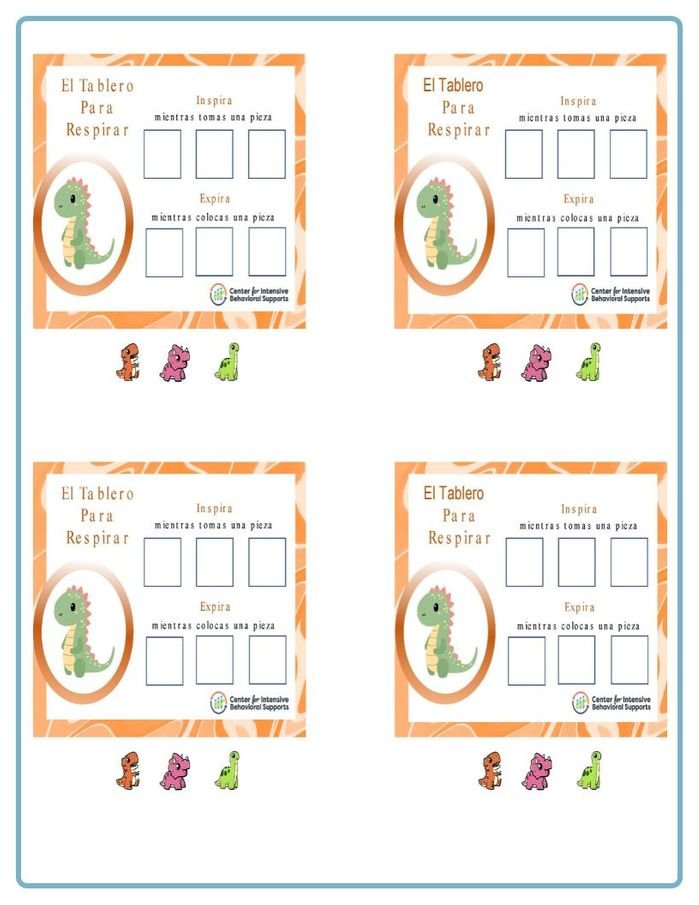
El Tablero Para Respirar es una herramienta centrada en la asistencia de ejercicios de autoregulación. Los estudiantes pueden usarlo para practicar la respiración y relajarse a la vez que controlan sus emociones.
El Tablero Para Respirar PPT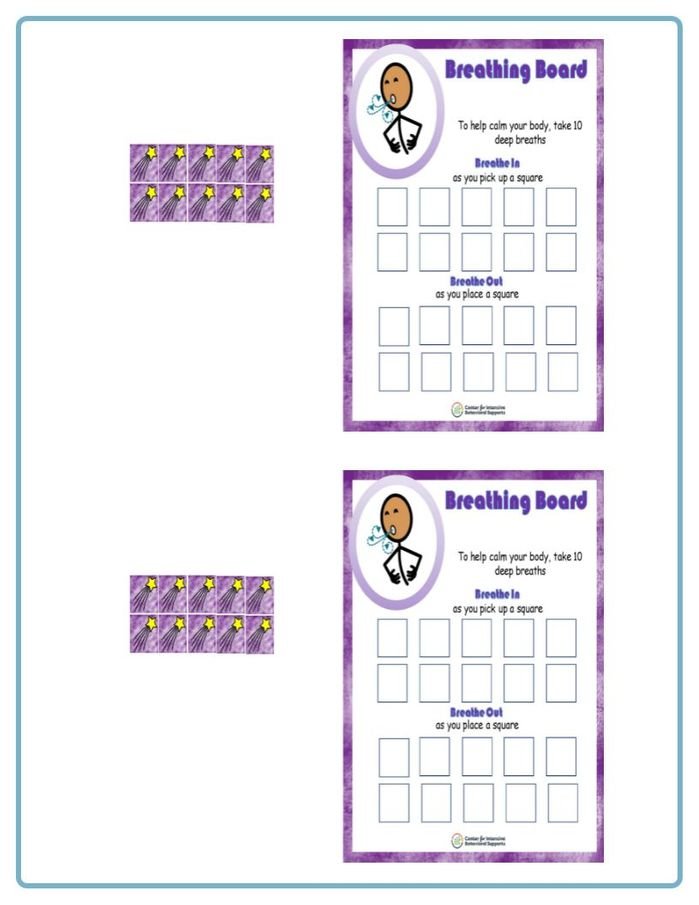
The Breathing Board handout provides an activity for youth to de-escalate. Print each board or all of the boards to support the student.
Breathing Board - 10 breaths PPT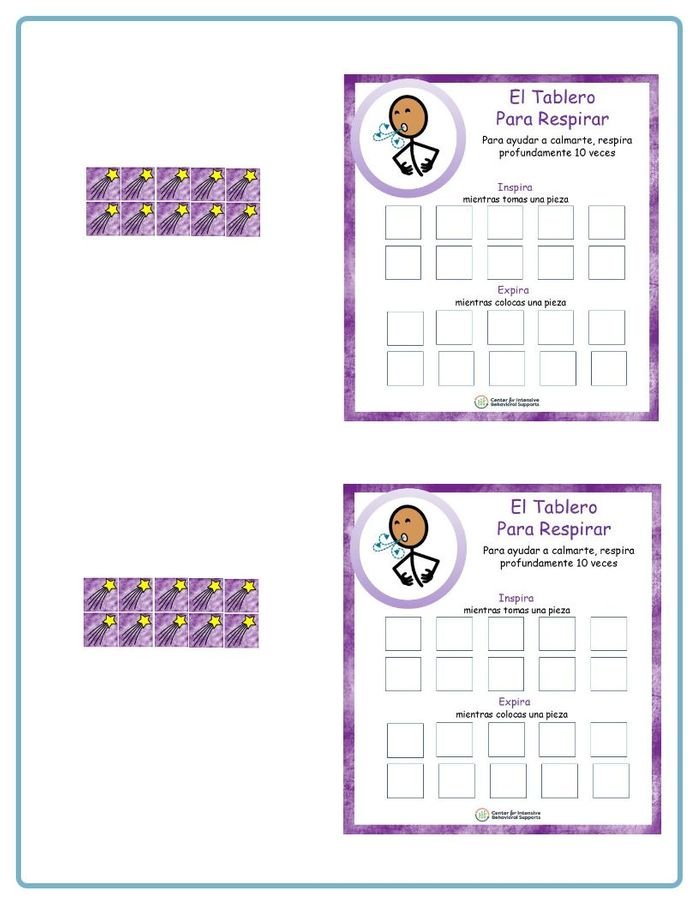
El folleto "Tablero de Respiración" ofrece una actividad para que los jóvenes descansen. Imprima cada tablero o todos los tableros para apoyar al estudiante.
Tabla de respiración - 10 respiraciones PPT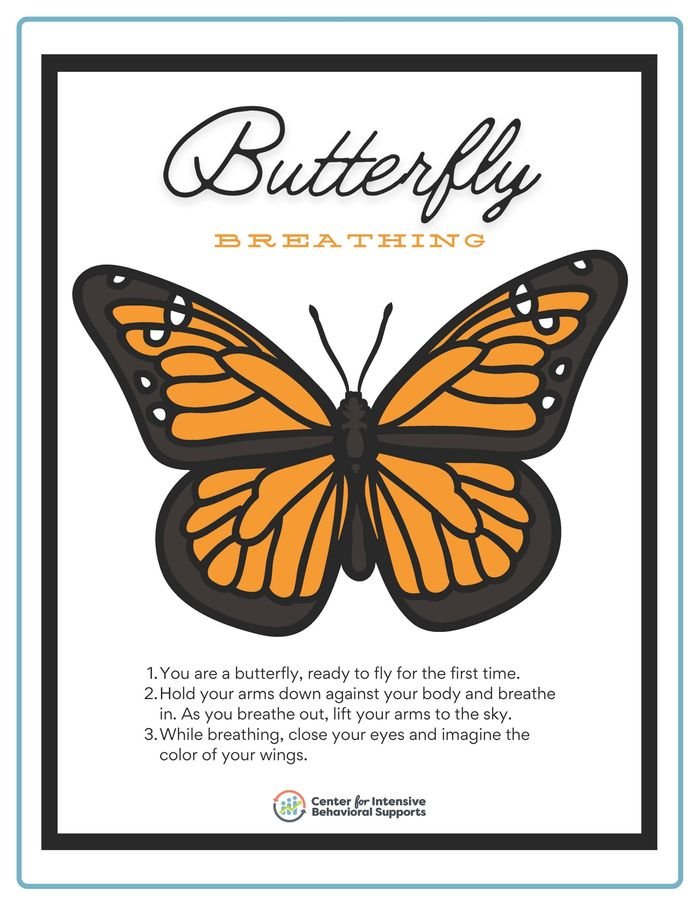
Butterfly Breathing encourages students to feel relaxed and free. Use this strategy to encourage students to self-regulate when they feel stressed, anxious, or upset.
Butterfly Breathing PDF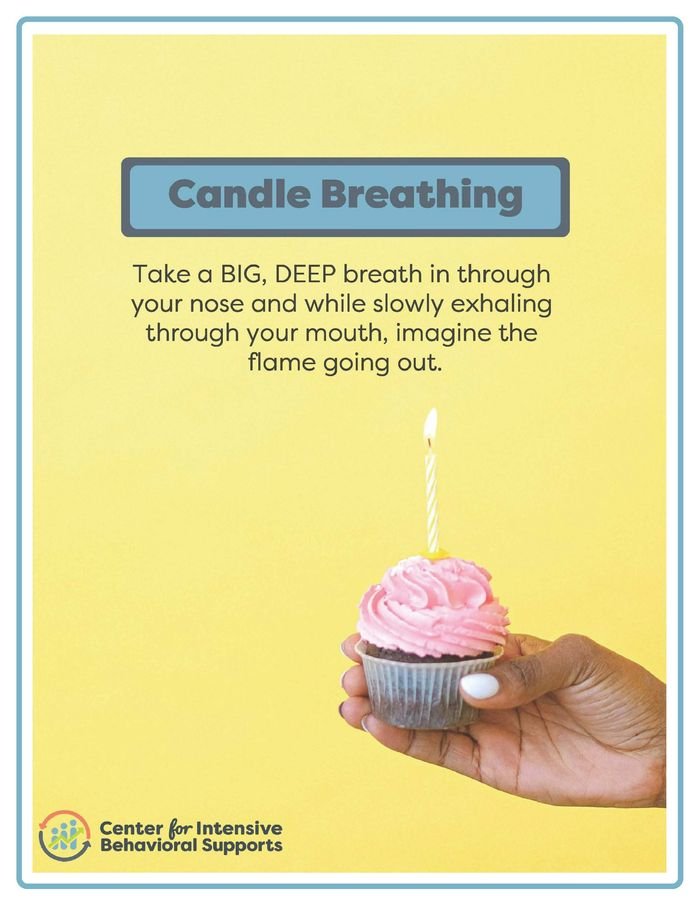
Candle Breathing is a strategy that gives students a visual to focus on while attempting to regulate through deep breaths.
Candle Breathing PDF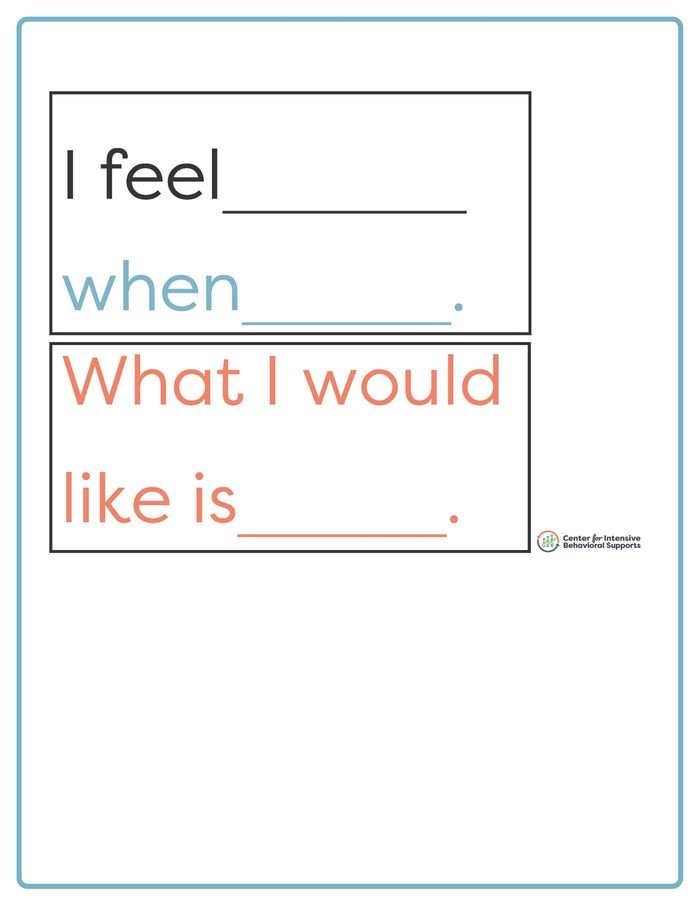
This icon-focused plan encourages students of all abilities to identify emotions and the tools to return to a regulated state. This plan provides a template for adults to engage students in discussions about different feelings and ways to regulate unwanted or uncomfortable emotions.
Circle Responses PDF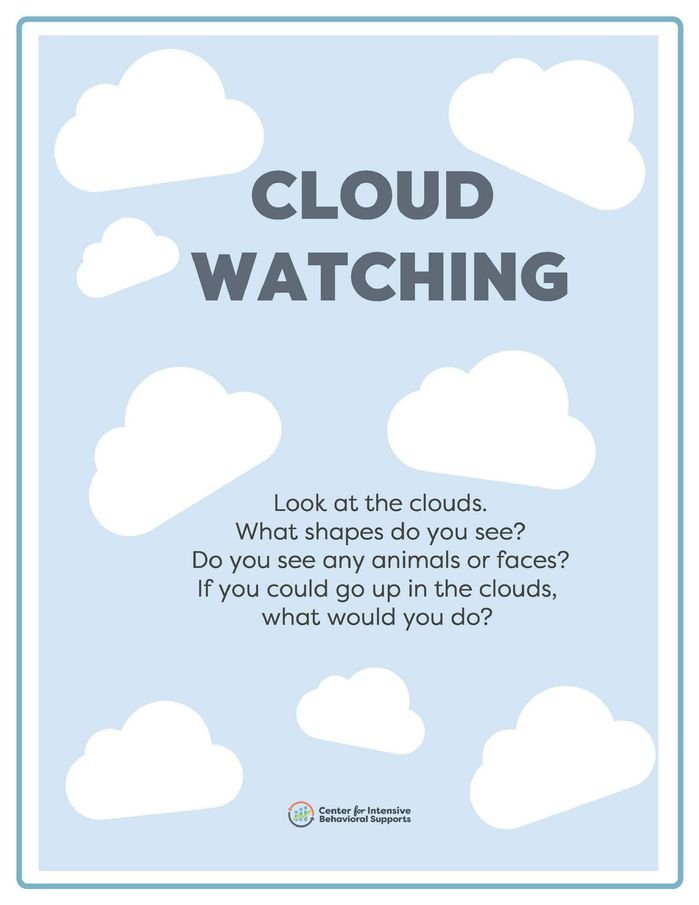
This poster can be used as a regulation strategy to teach students to reduce stress and reminds them to slow down and use their imagination to calm their bodies when anxious or dysregulated.
Cloud Watching PDF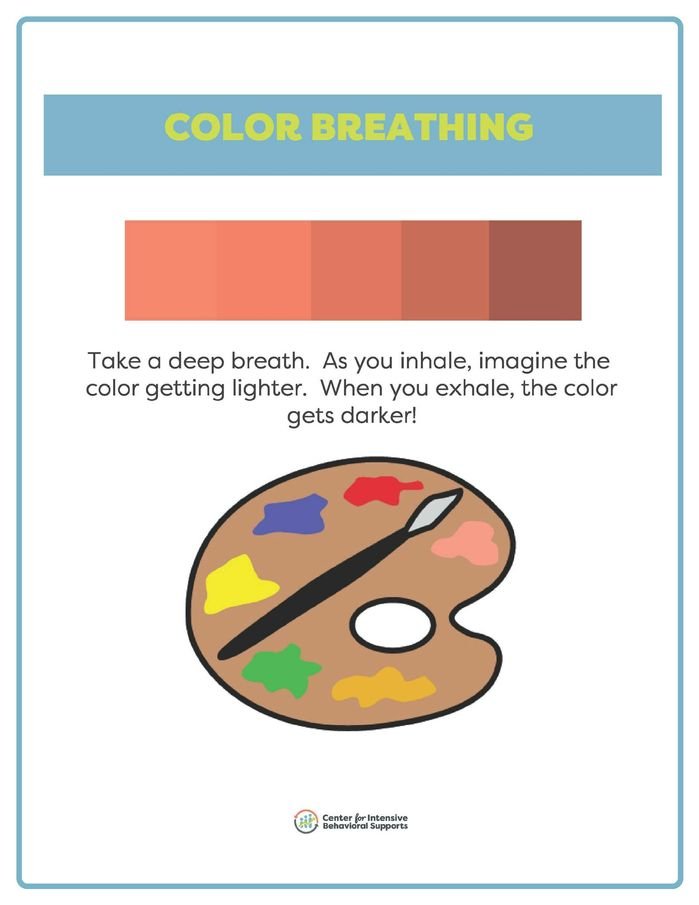
Color Breathing is a visual strategy that can be quickly learned. This poster can help remind students to use their breathing as a simple, stress-reducing activity.
Color Breathing PDF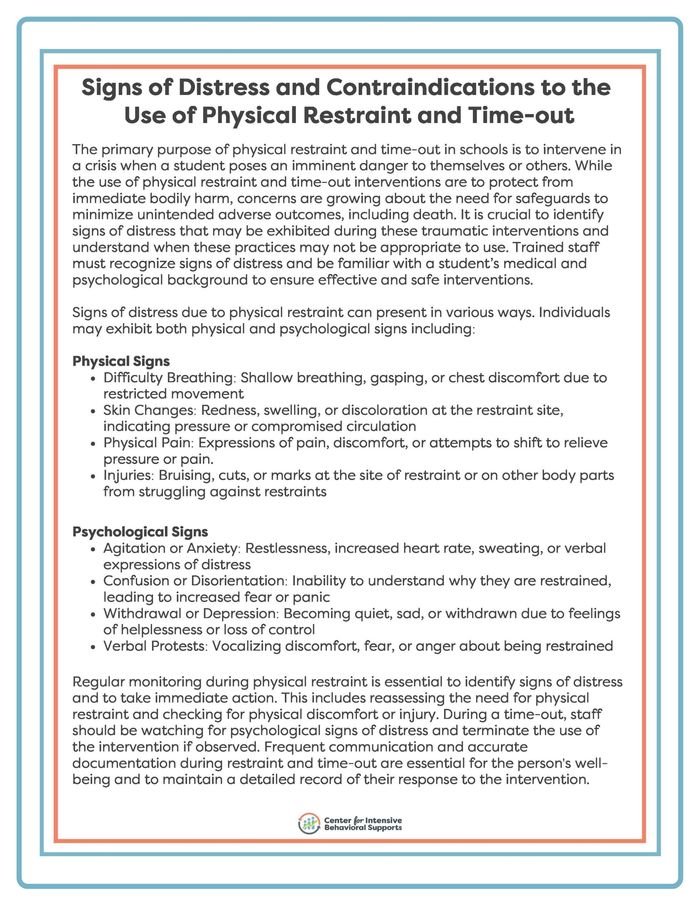
This document outlines the use of physical restraint and timeout in schools, emphasizing their role in crisis intervention when a student poses an imminent danger. It highlights the importance of monitoring for signs of distress, recognizing contraindications, and ensuring that these interventions are only used when necessary to protect student safety while minimizing risks and unintended harm.
Contraindications PDF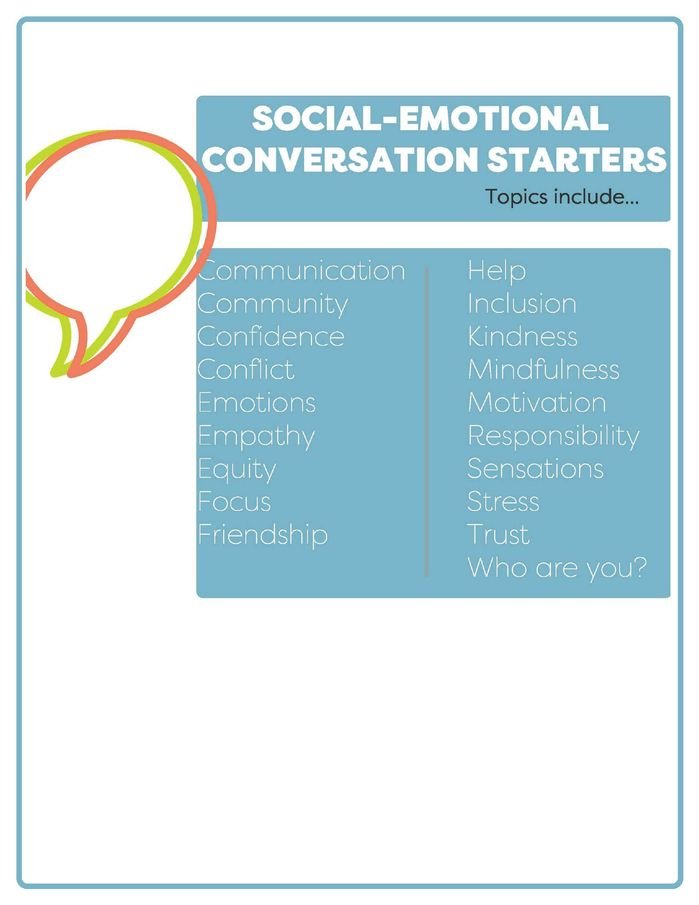
This resource can help facilitate morning meeting conversations, enhance social-emotional learning, or practice peer social skills.
Conversation Starters PDF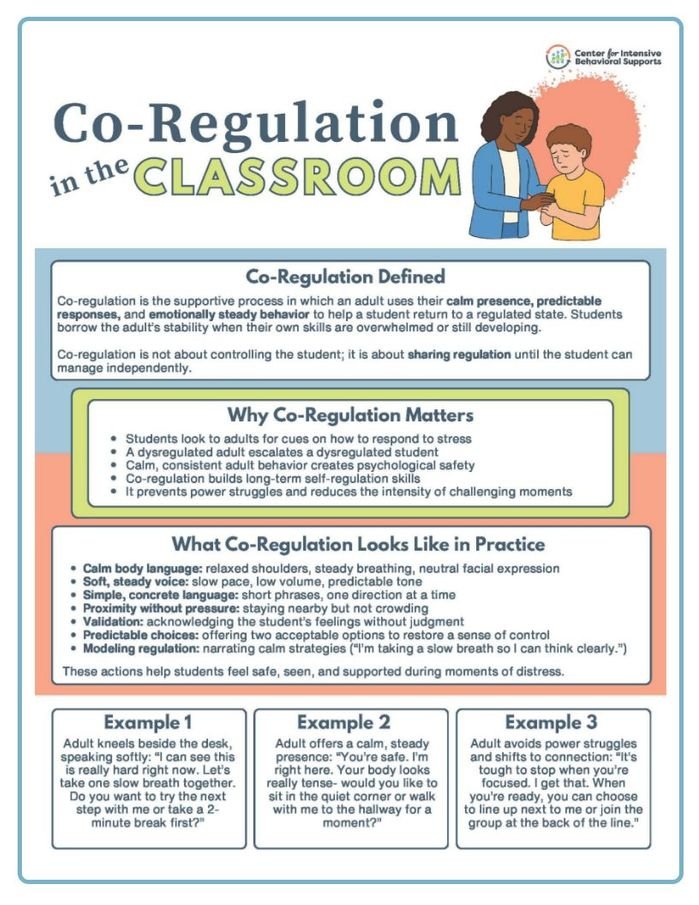
Co-regulation is a vital skill when helping students remain regulated and de-escalate after a crisis. This resource highlights why co-regulation matters and offers practical examples, phrases, and steps educators can use during moments of student escalation.
Co-Regulation in the Classroom
Coloring can help engage the brain without a lot of effort. When a student cannot focus,
coloring is a re-connection strategy.
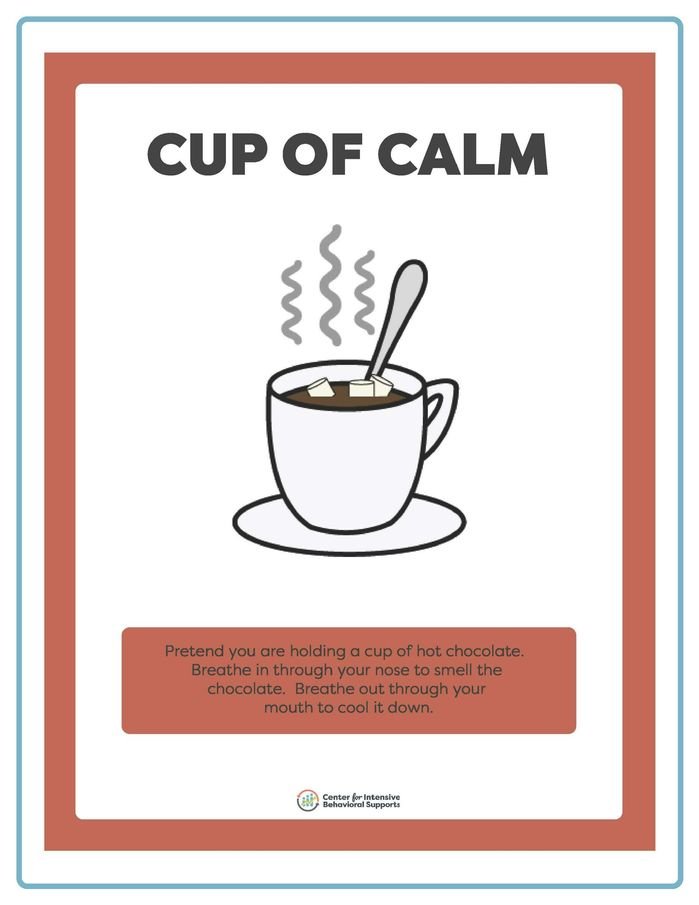
The Cup of Calm helps students engage different senses to promote self-regulation.
Cup of Calm PDF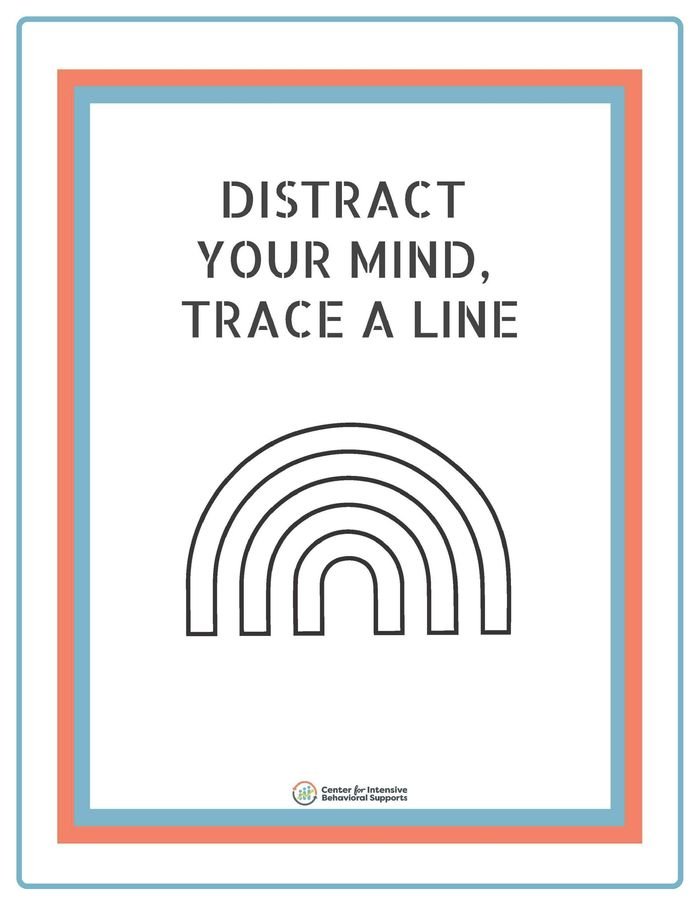
Distract Your Mind Trace A Line is a strategy to actively refocus student attention from current stressors toward a busy activity requiring active motor skill coordination.
Distract Your Mind PDF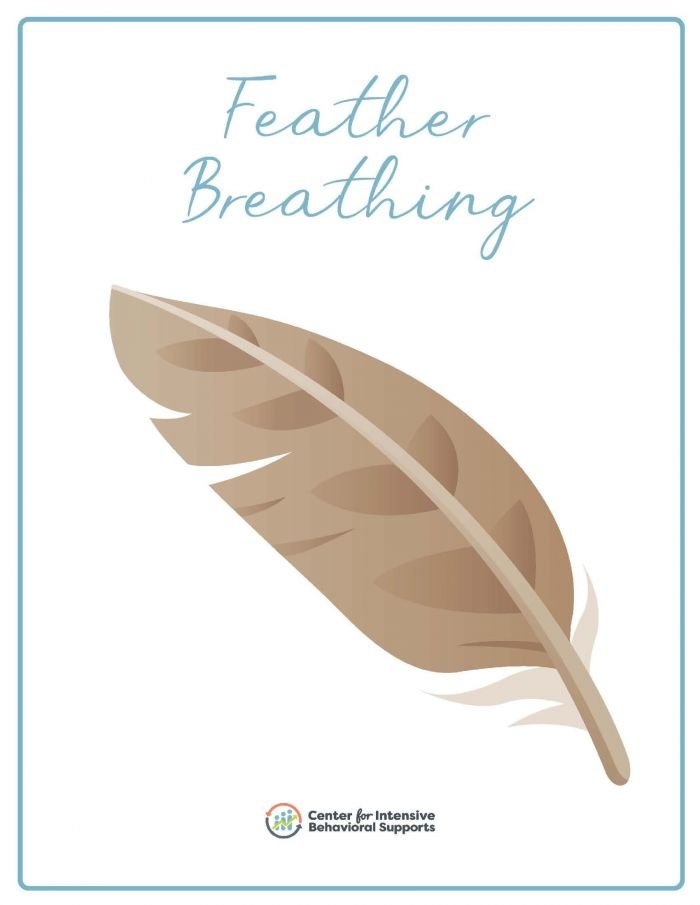
Feather breathing is a relaxation technique that encourages deep, slow breathing to promote relaxation and reduce stress.
Feather Breathing PDF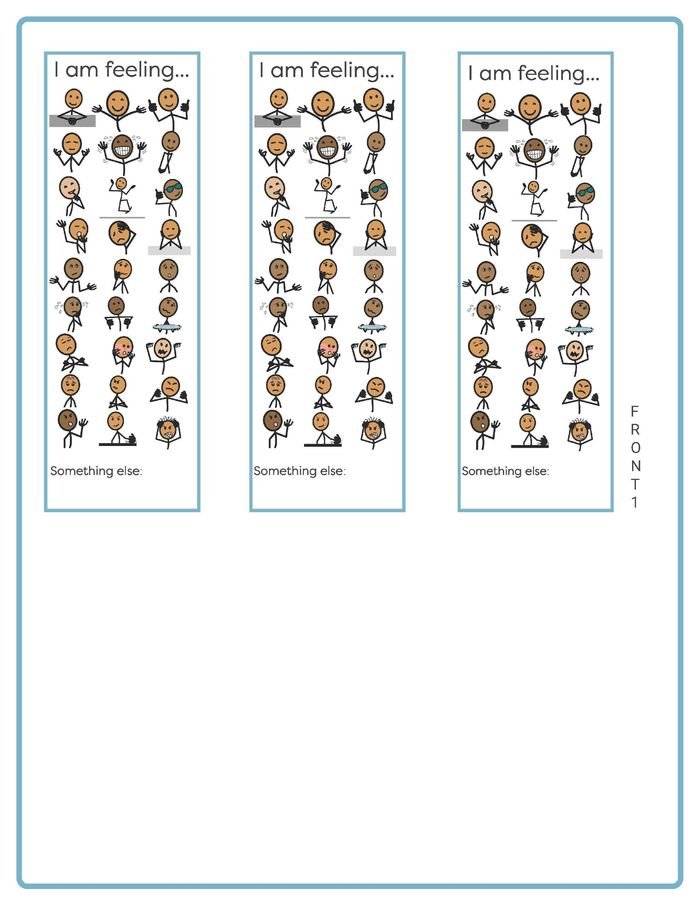
Learning how to connect emotional events to what’s going on in the body gives students a personal resource to turn to when they are not sure what they're feeling. Feelings Bookmarks provide students with visual prompts to clearly identify the emotions they experience and example strategies for regulation.
Feelings Bookmark PDF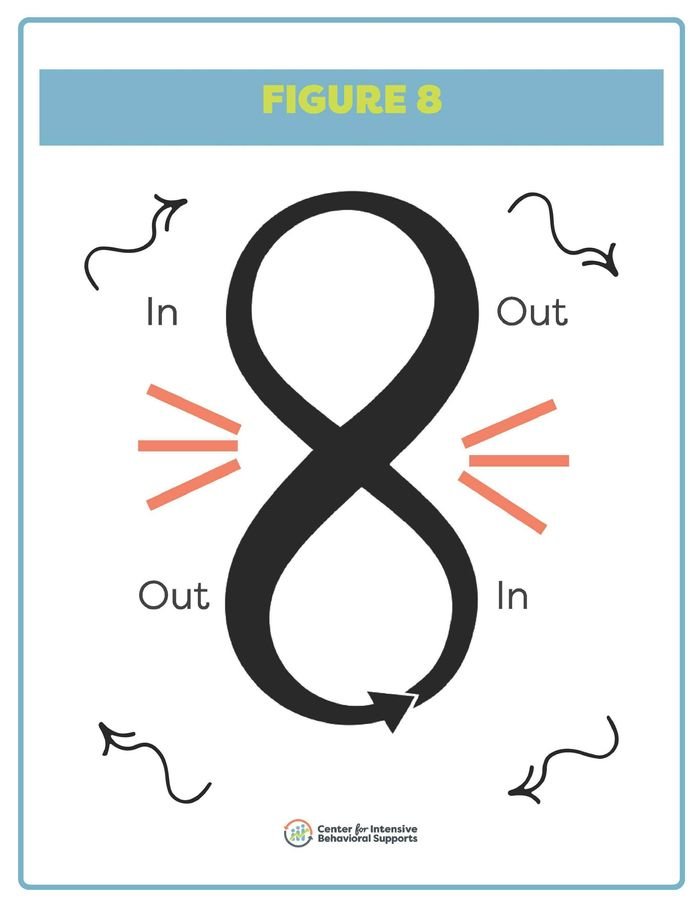
Figure 8 is a breathing strategy that can help students relax when they feel anxious or dysregulated.
Figure 8 PDF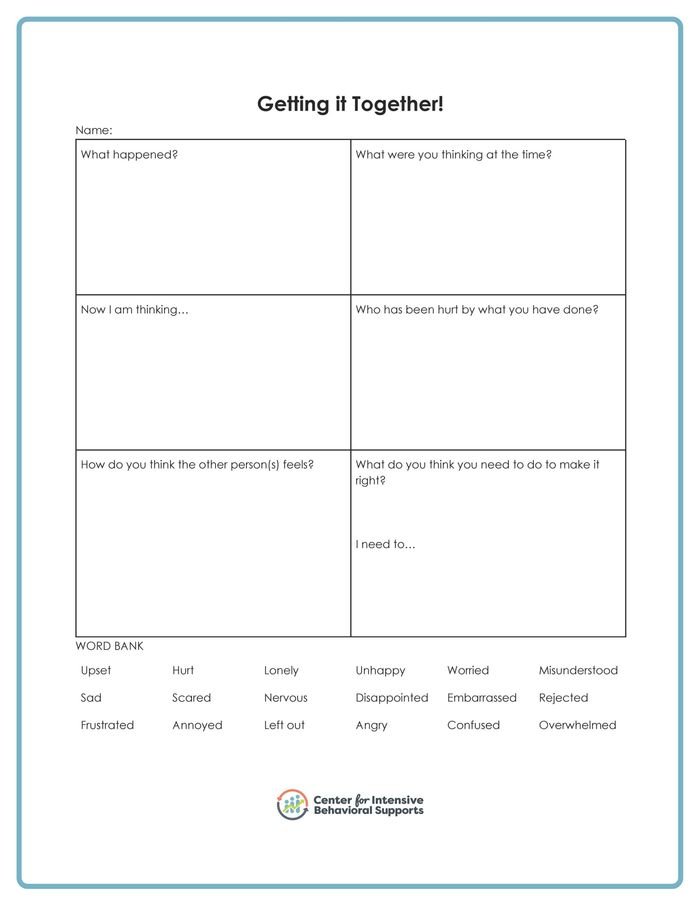
'Getting it Together!' is a student-focused tool to guide thoughts following a problem with staff or a peer that may require a restorative conversation to resolve the issue and repair the school community.
Getting It Together! PDF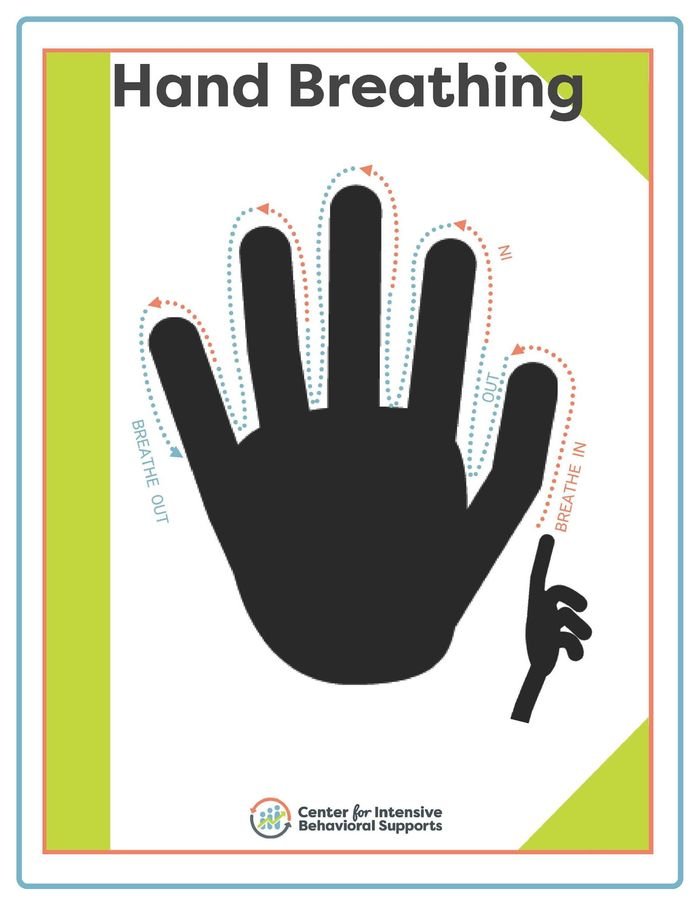
Hand Breathing allows students to visually follow how their body is engaged when using relaxing breathing strategies.
Hand Breathing PDF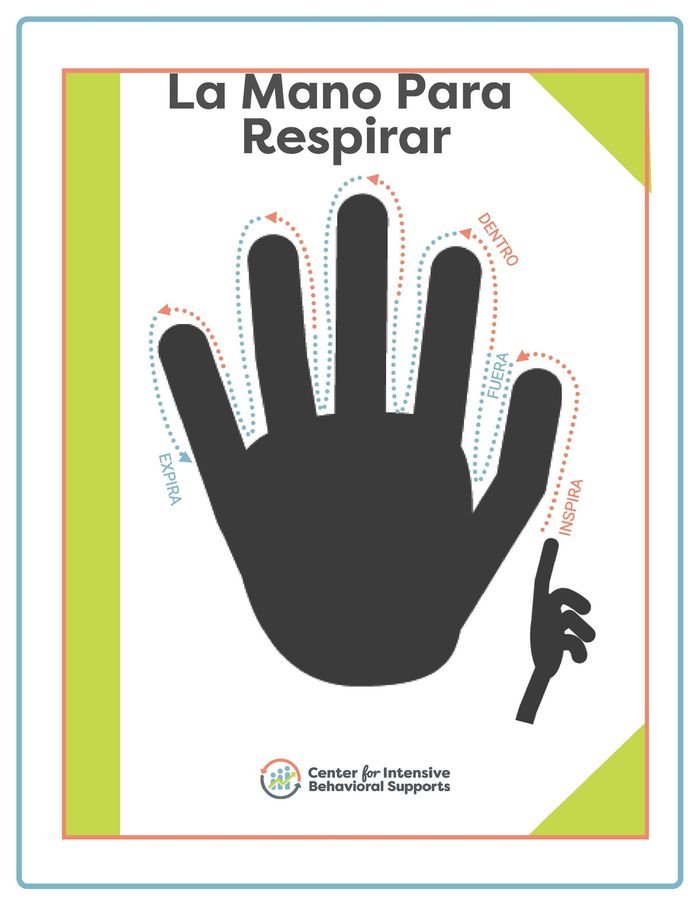
La mano para respirar permite a los estudiantes seguir visualmente cómo su cuerpo se involucra a la vez que usan técnicas de respiración relajantes.
La mano para respirar PDF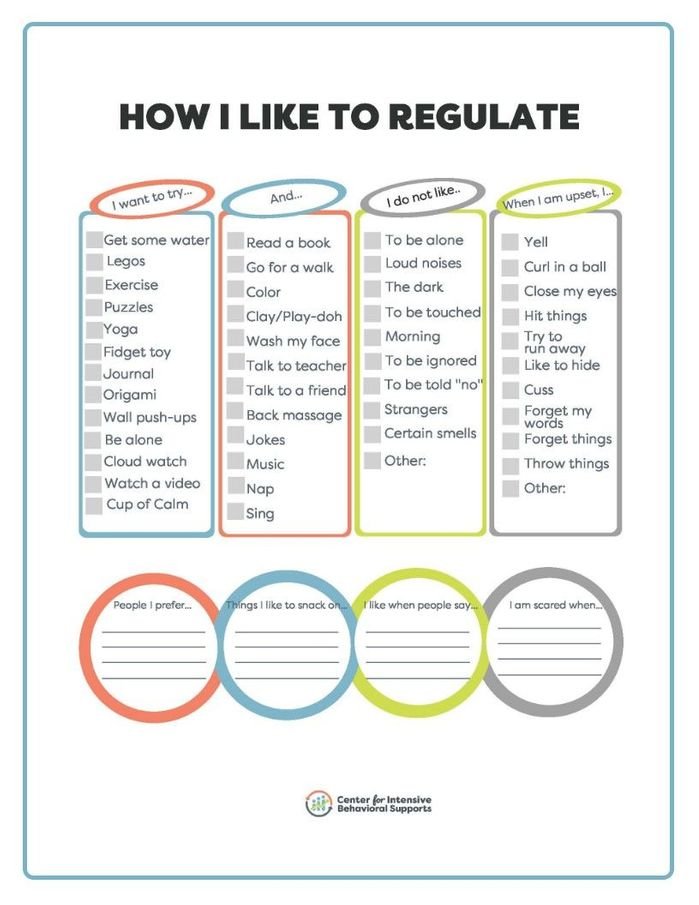
Students may not be able to identify what they need to regulate when upset. This resource provides students with ideas of ways to regulate before becoming dysregulated. Staff then keep this resource available as a future reference for intervention.
How I Like to Regulate PDF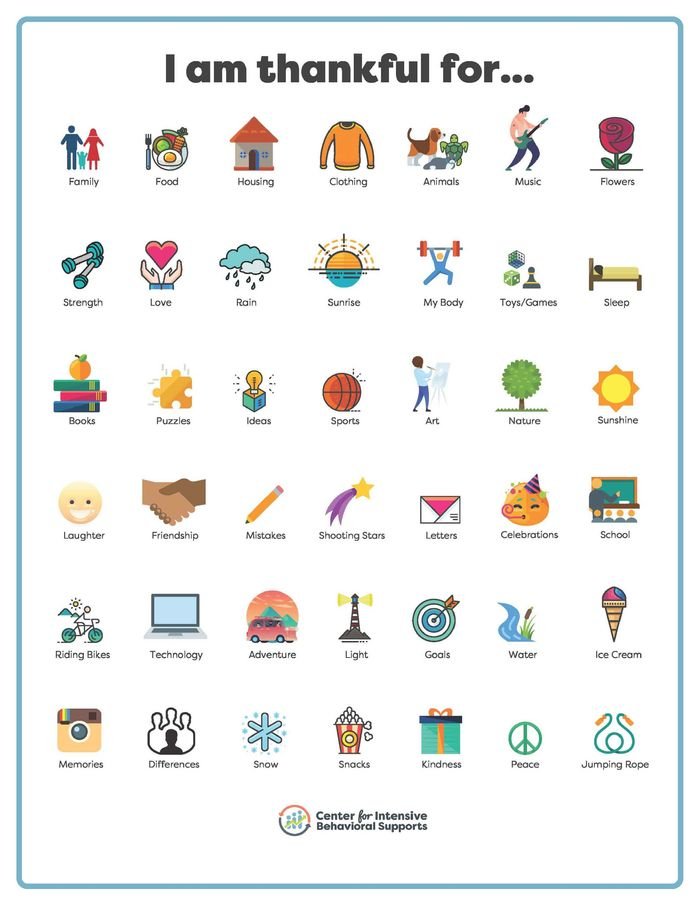
Helping students recognize what they are thankful for will assist them in slowing down and focusing on the positive aspects of their life.
I am Thankful for PDF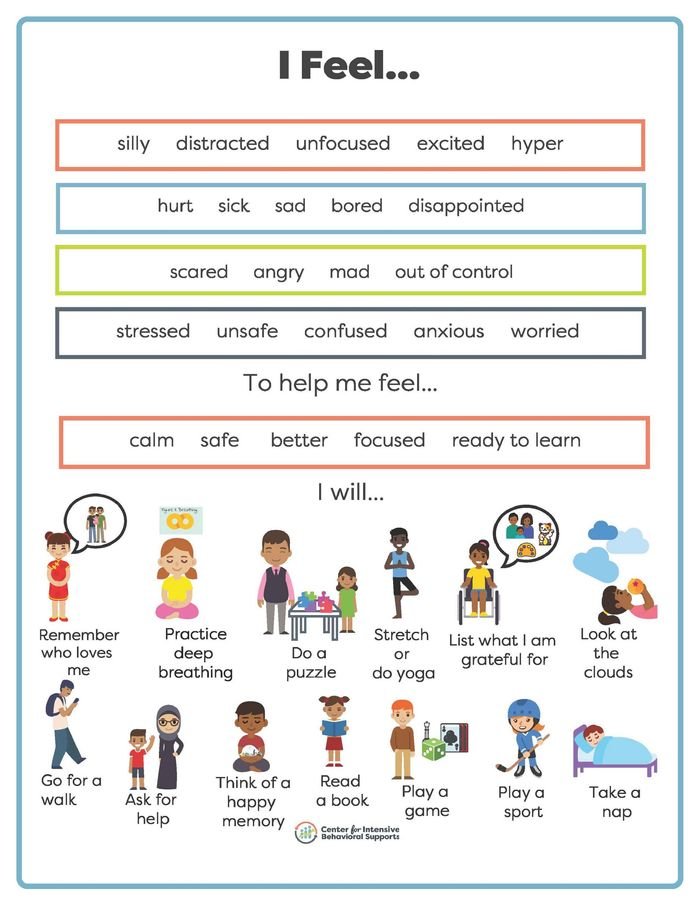
This visual will help students learn the structure of I Statements, assisting them with how to phrase and share what they are feeling.
I feel...I will PDF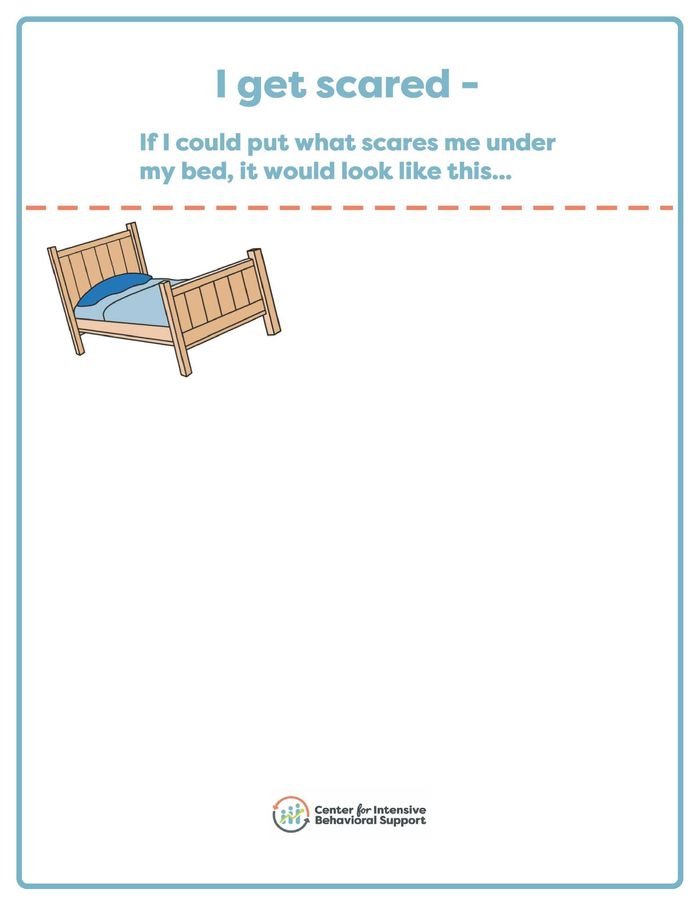
This worksheet helps students express what fears they may have. Allowing students to name what is scary opens the door to healing.
I get scared... PDF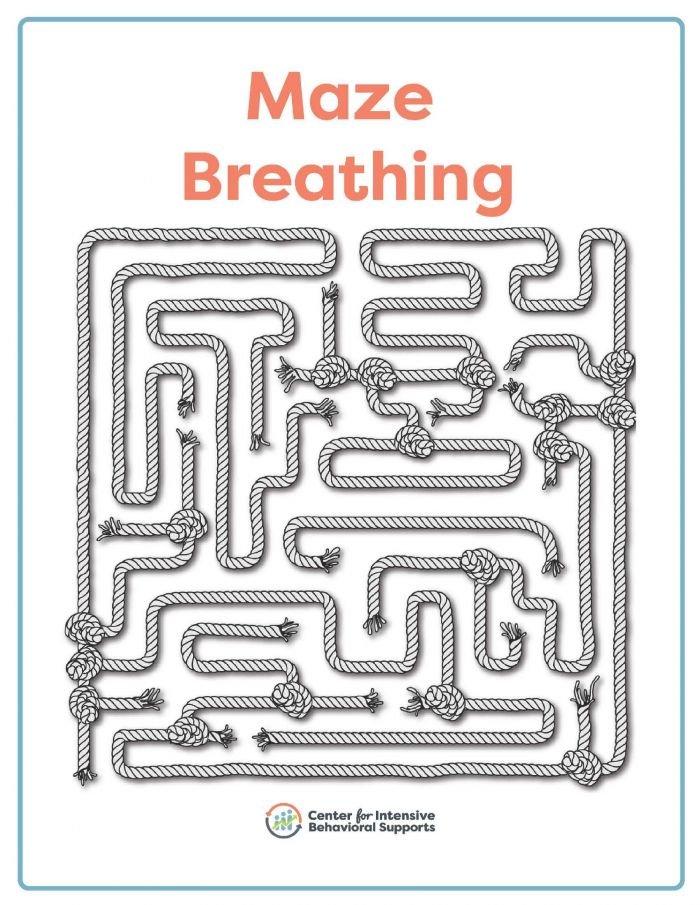
Maze breathing is a technique that helps manage stress and calm the mind.
Maze Breathing PDF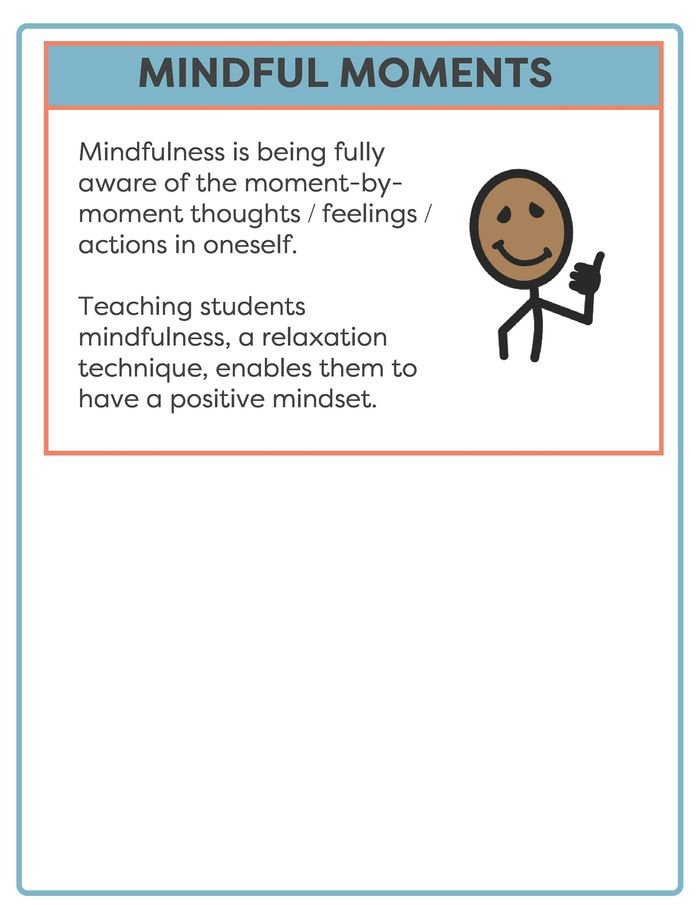
Mindfulness is being fully aware of the moment-by-moment thoughts/feelings/actions in oneself. Teaching students mindfulness, a relaxation technique, enables them to have a positive mindset.
Mindful Moments PDF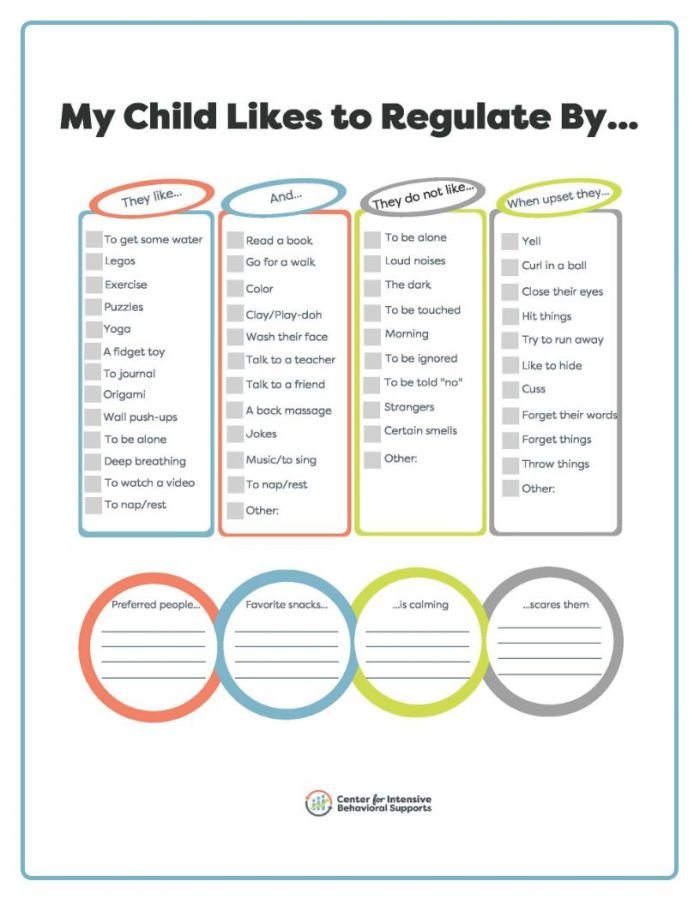
Children may be unable to identify what they need to regulate when upset. This resource asks parents/guardians to supply ideas for interventions to assist staff in supporting their child's regulation. Staff then keep this completed resource for future reference.
My Child Likes to Regulate By... PDF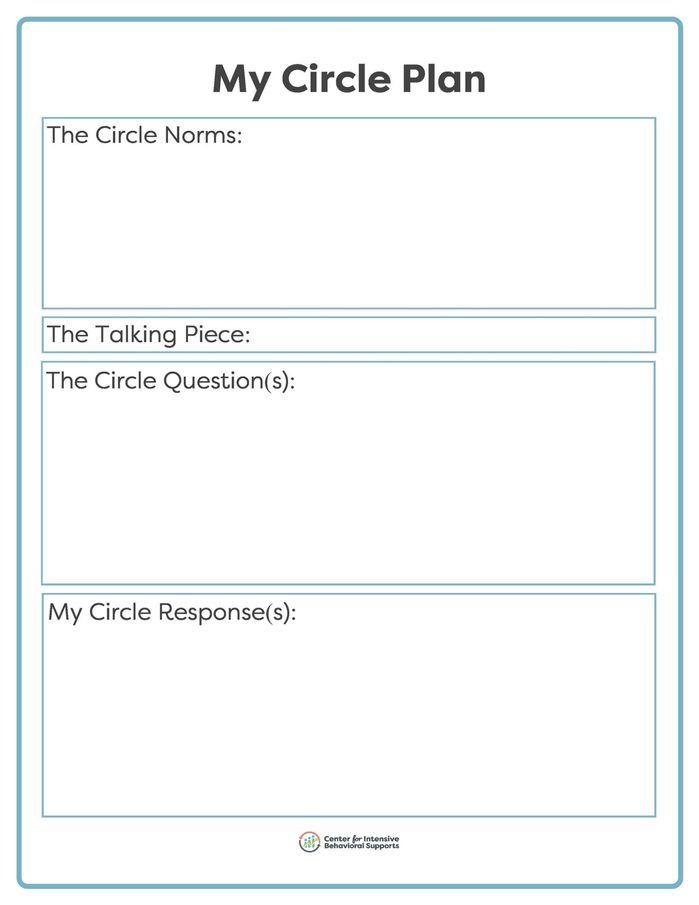
This tool allows students to review what will happen in their restorative circle before it begins. Providing advanced notice of what to expect and coaching socially appropriate responses helps reduce anxiety for some students.
My Circle Plan PDF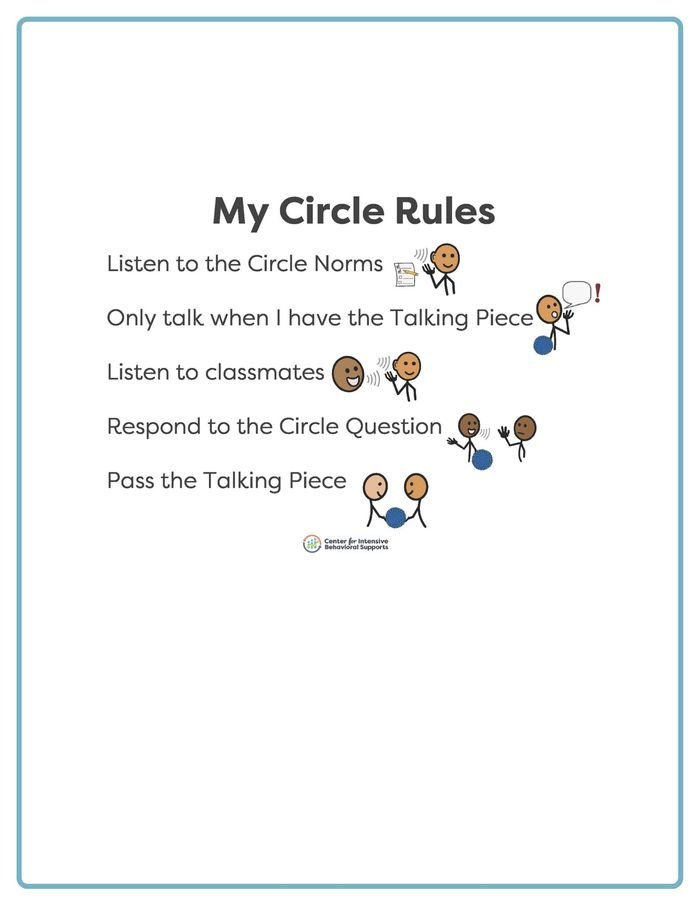
My Circle Rules offers three different versions, allowing staff to choose a tool that fits the needs of their students for learning restorative circle rules.
My Circle Rules PDF
This packet is a social-emotional learning journal. Journal prompts are based on the Social Emotional Learning Standards for the State of Illinois.
My Journal PDF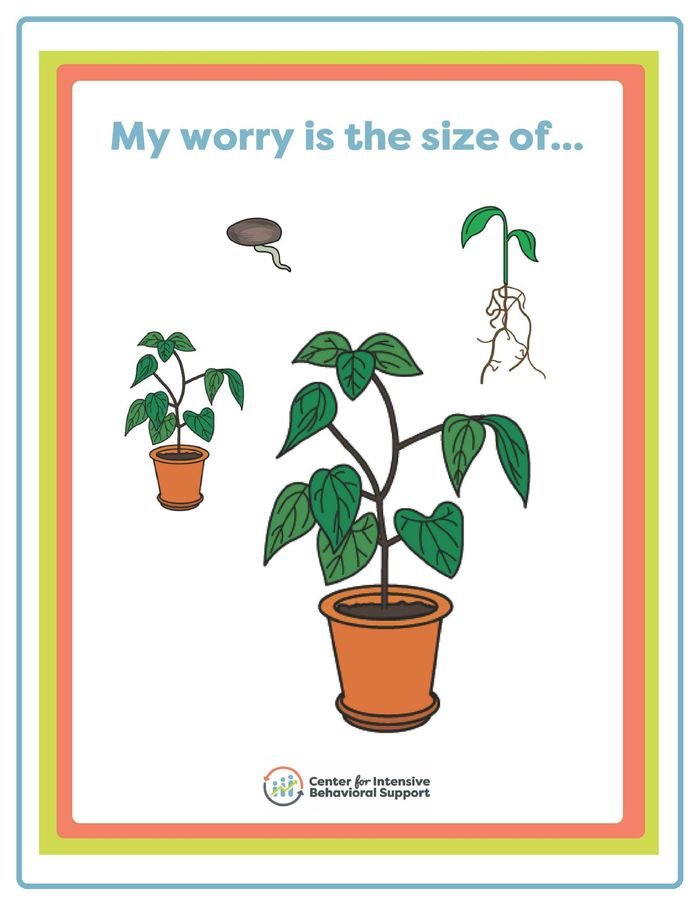
Helping students identify the size of their worry can aid in expressing to others what is happening in their world.
My Worry Is The Size Of... PDF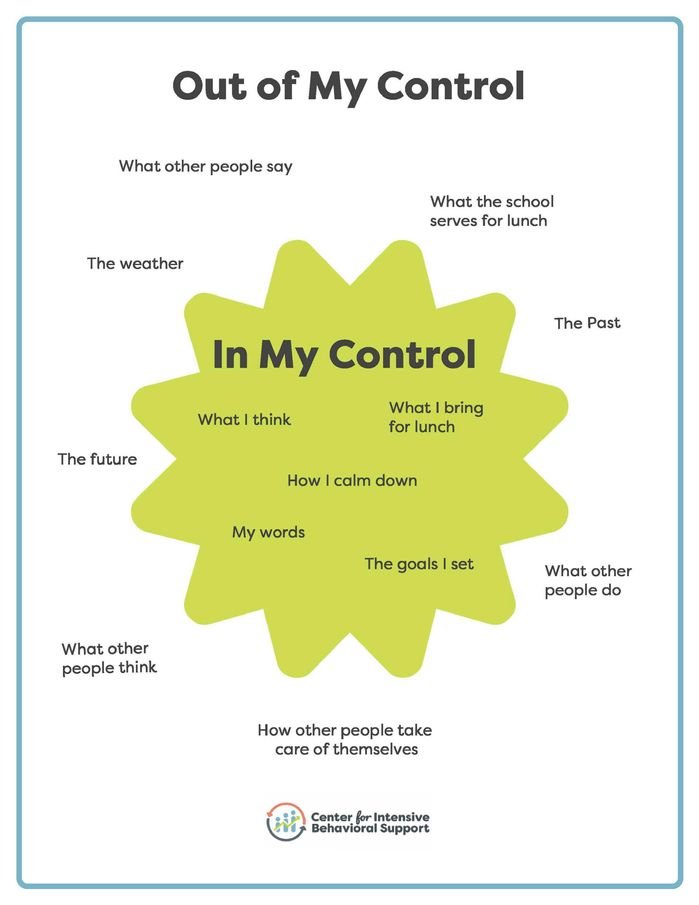
Students struggling with anxiety are often anxious about events in life that are out of their control. This activity allows students to articulate what's within their power and what's not so they understand their locus of control.
Out of My Control PDF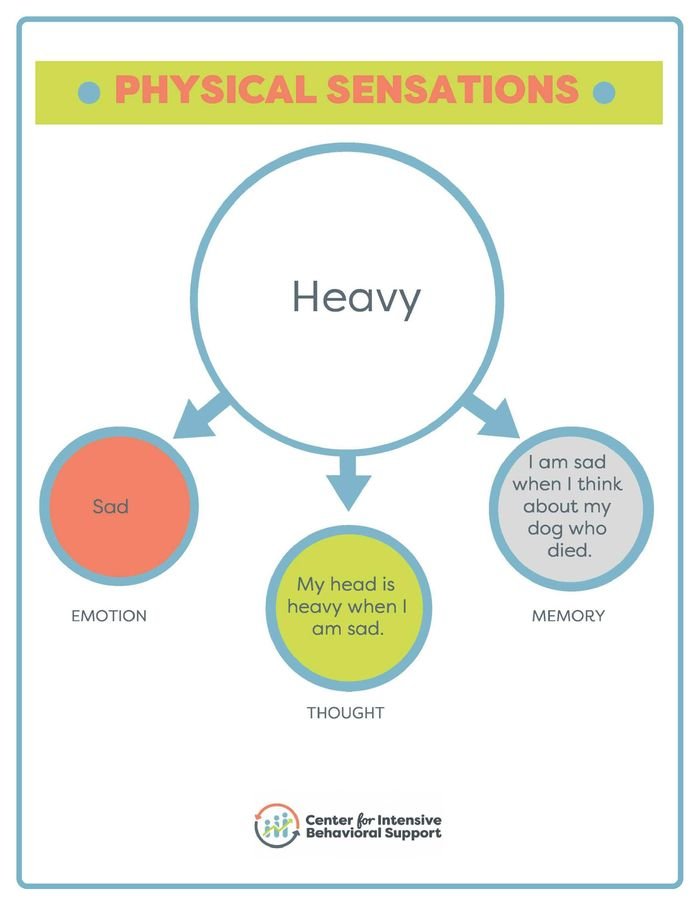
This tool will assist a student in identifying sensations within their memories, emotions, and body. As a
student begins to recognize what is happening within their body, they can act on regulating those sensations or emotions. It gives students the visual opportunity to write in a sensation and connect it to experiences.
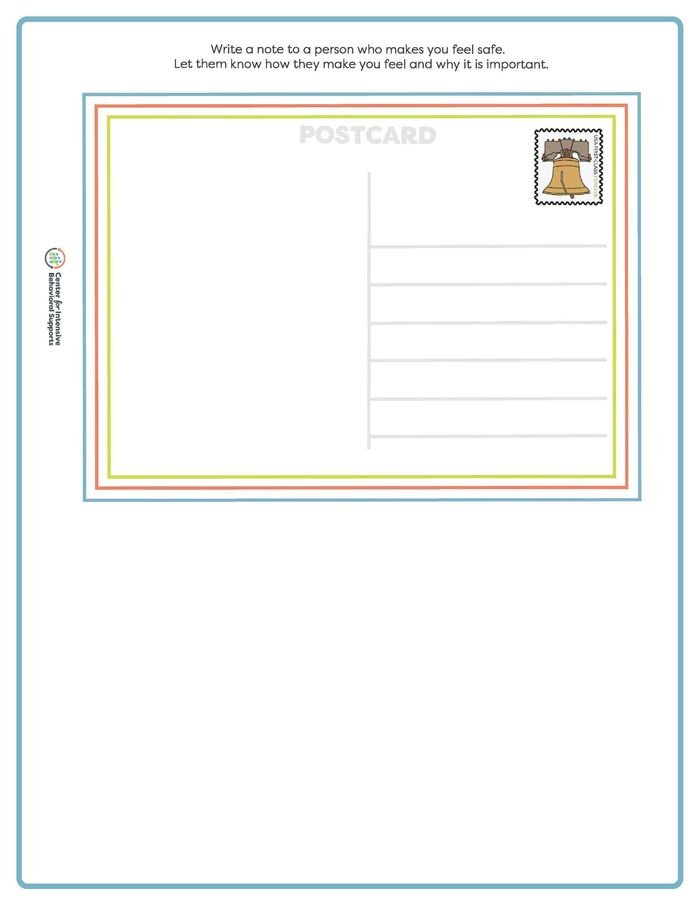
This activity has been created for students to write a note to someone who makes them feel safe.
Postcard PDF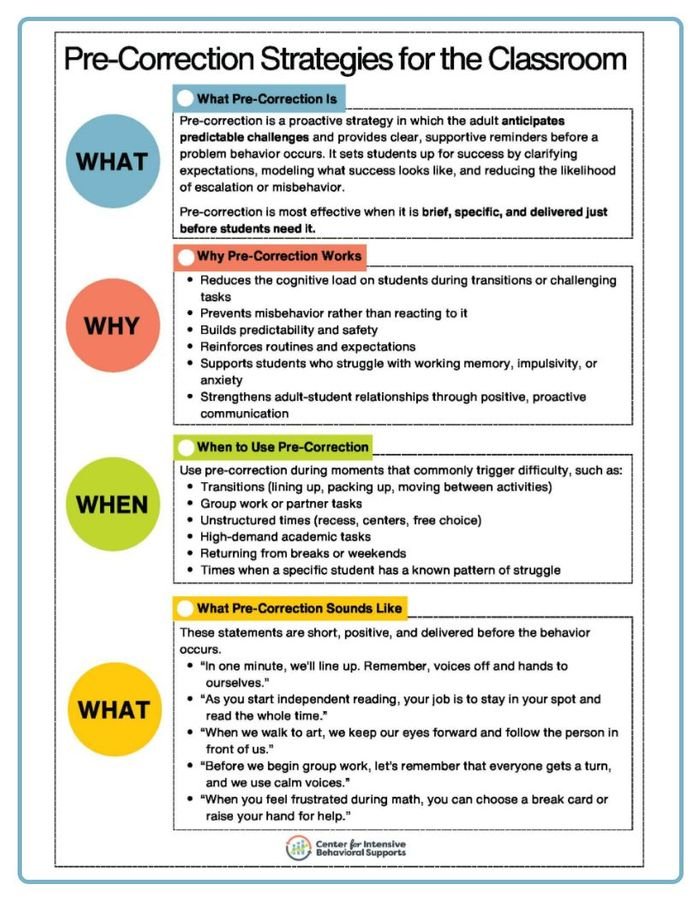
Pre-correction as a proactive strategy helps prevent challenging behavior by clearly reminding students of expectations before a problem occurs. This resource provides examples, practical steps, and simple language educators can use to support students during common classroom transitions and challenging tasks.
Pre-Correction Strategies for the Classroom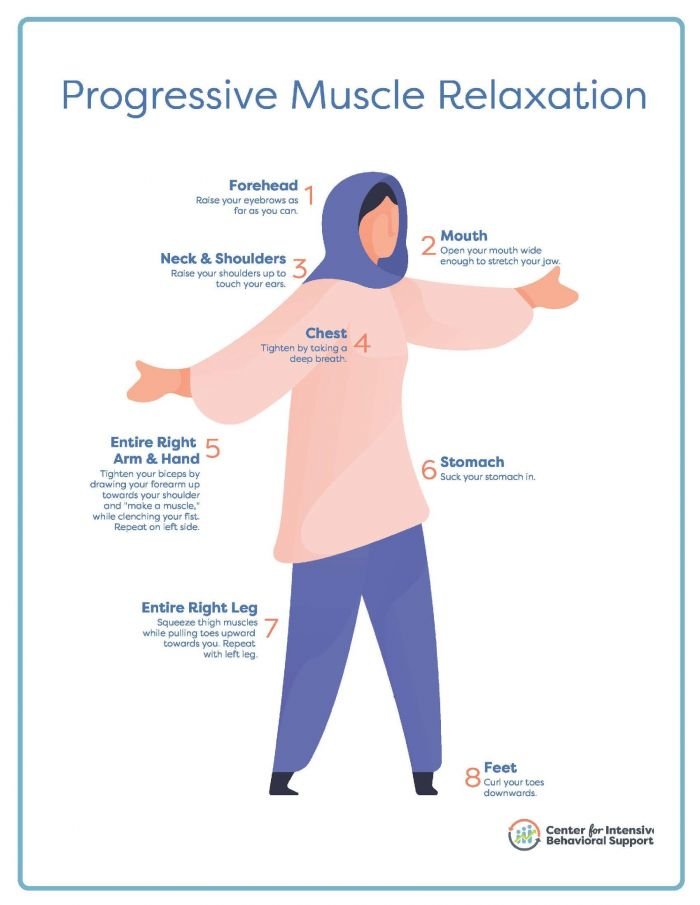
Progressive muscle relaxation is a technique that involves tensing and relaxing specific muscle groups to release physical tension. It's a helpful method for teens dealing with stress, anxiety, or even physical discomfort.
Progressive Muscle Relaxation PDF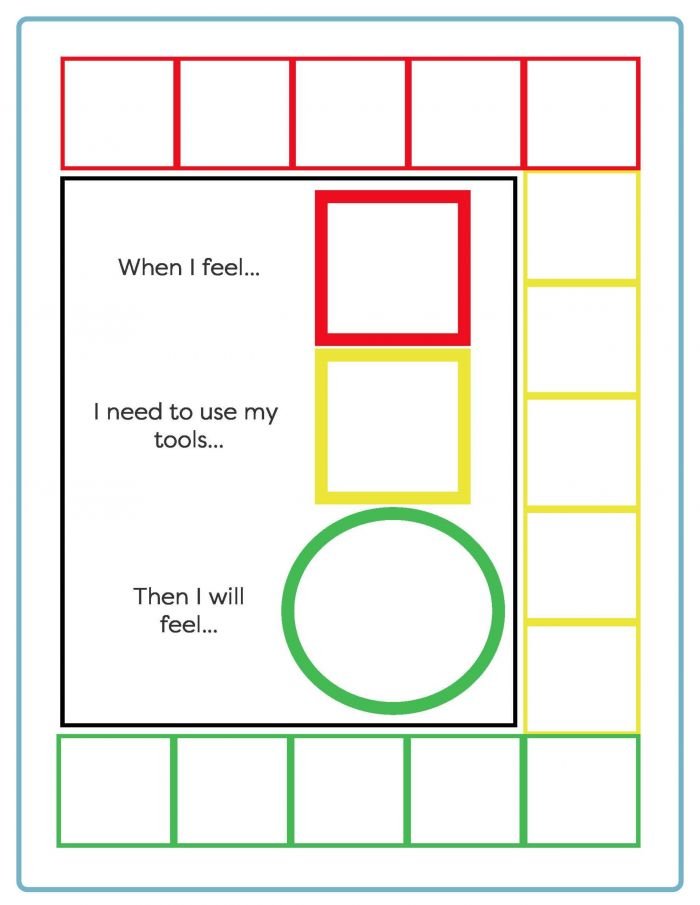
This icon-focused plan encourages students of all abilities to identify emotions and tools to return to a regulated state.
Regulation Plan PDF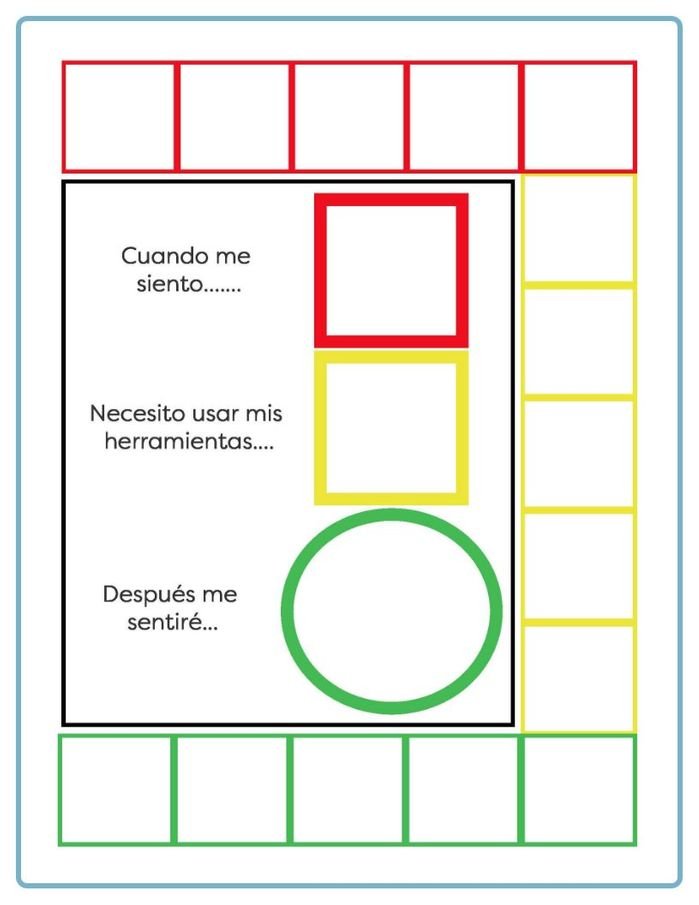
Este plan de iconos anima a los
estudiantes de todas las habilidades a identificar emociones y medios para volver a un estado calmado.
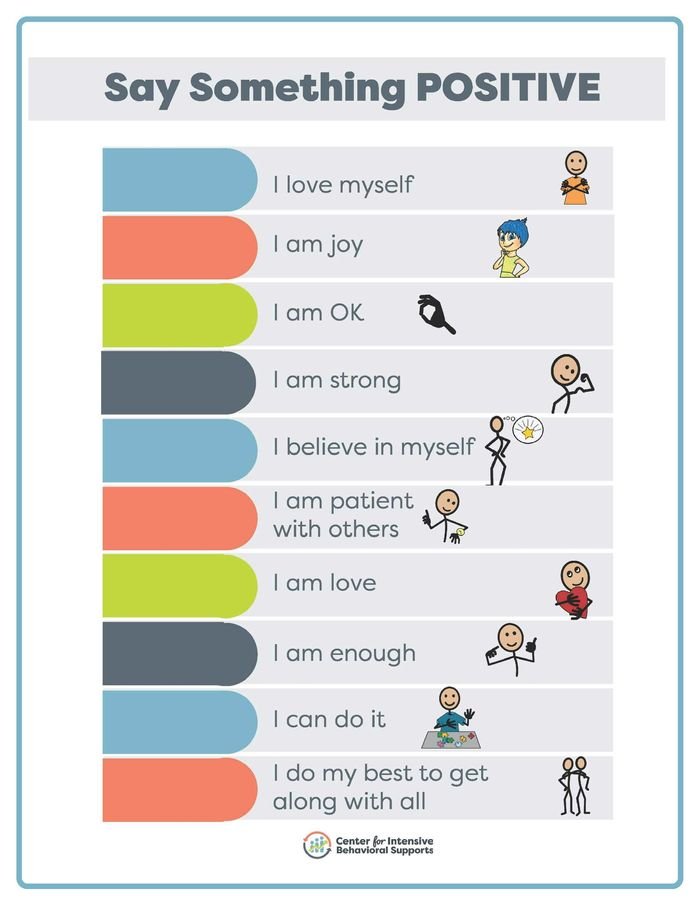
This resource is a strategy to help students practice positive self-talk.
Say Something Positive PDF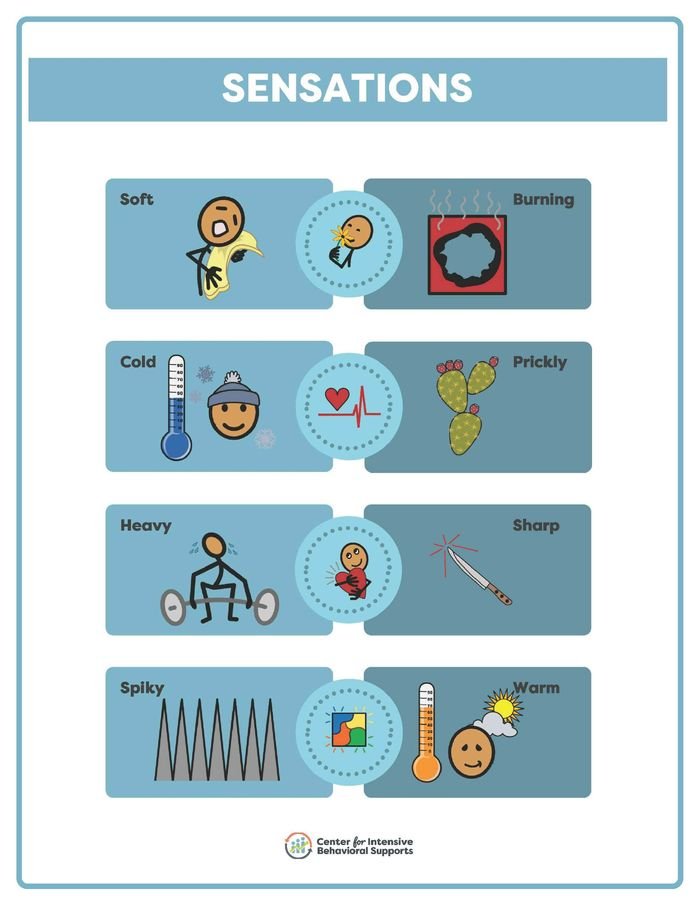
The Sensation poster is a visual for helping students grow their sensation vocabulary list.
Sensations PDF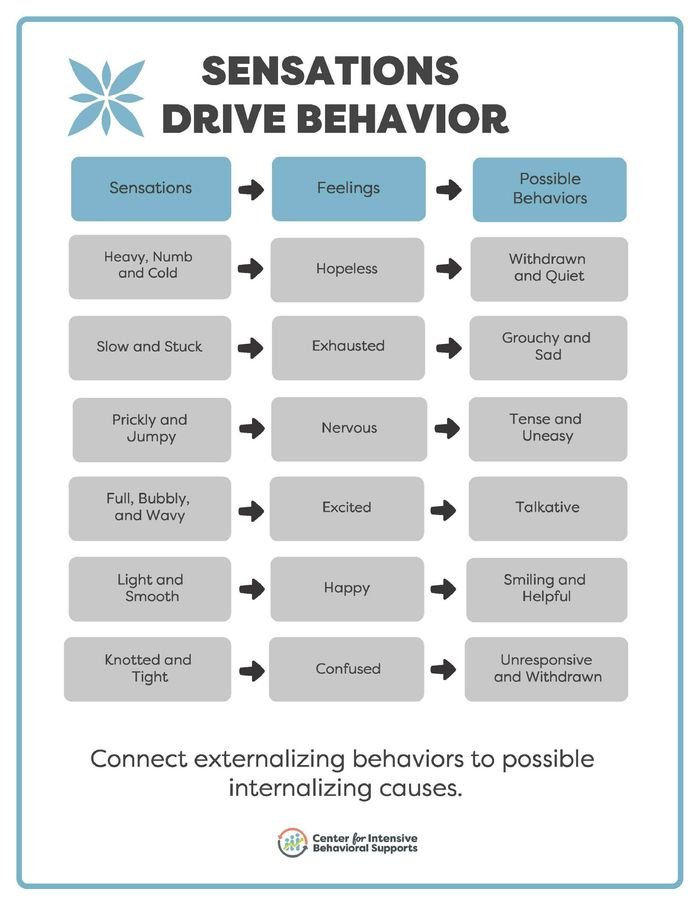
This handout will give staff a snapshot of what students may be experiencing and feeling based on observed behaviors.
Sensations Drive Behavior PDF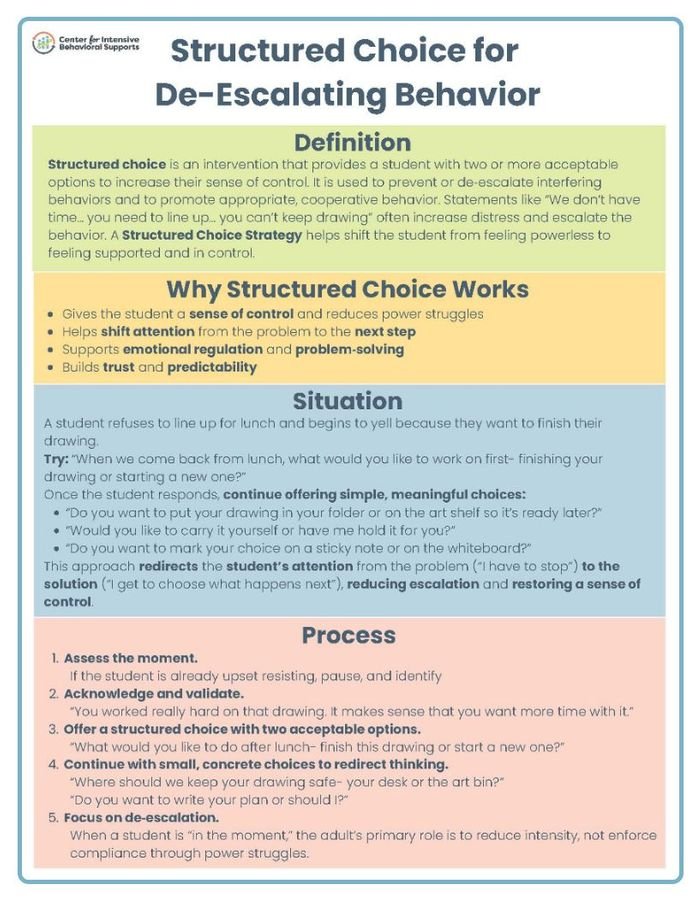
This resource explains how structured choice can reduce escalating challenging behaviors by giving students a sense of control and highlights the value of shifting from power struggles to collaborative problem-solving.
Structured Choice for De-Escalating Behavior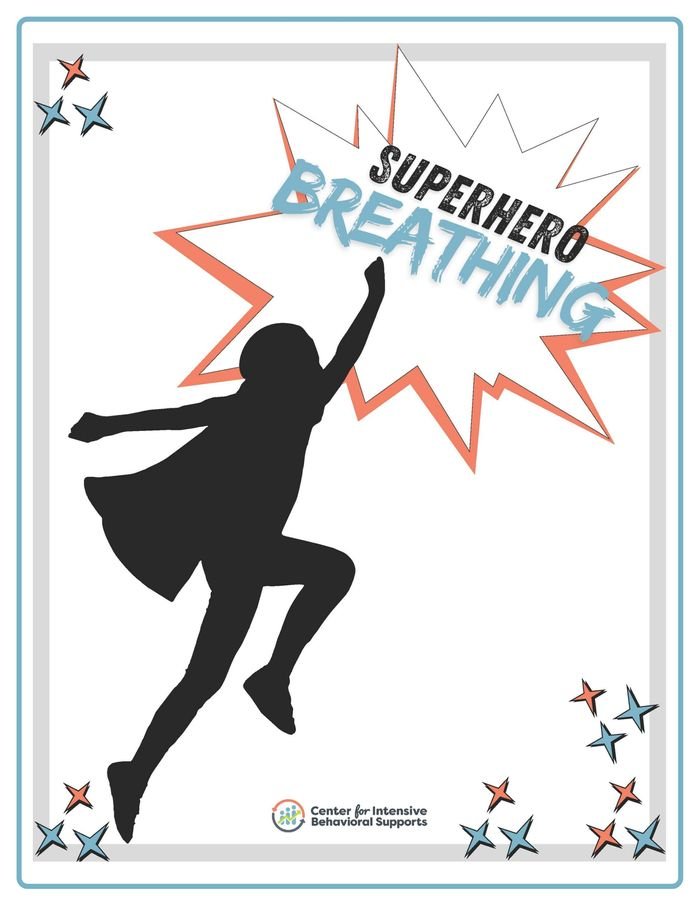
This regulation strategy involves a sequence of physical movements paired with controlled breathing to help calm the body and mind. Focusing on the superhero imagery and mindful breathing promotes relaxation and stress relief.
Superhero Breathing PDF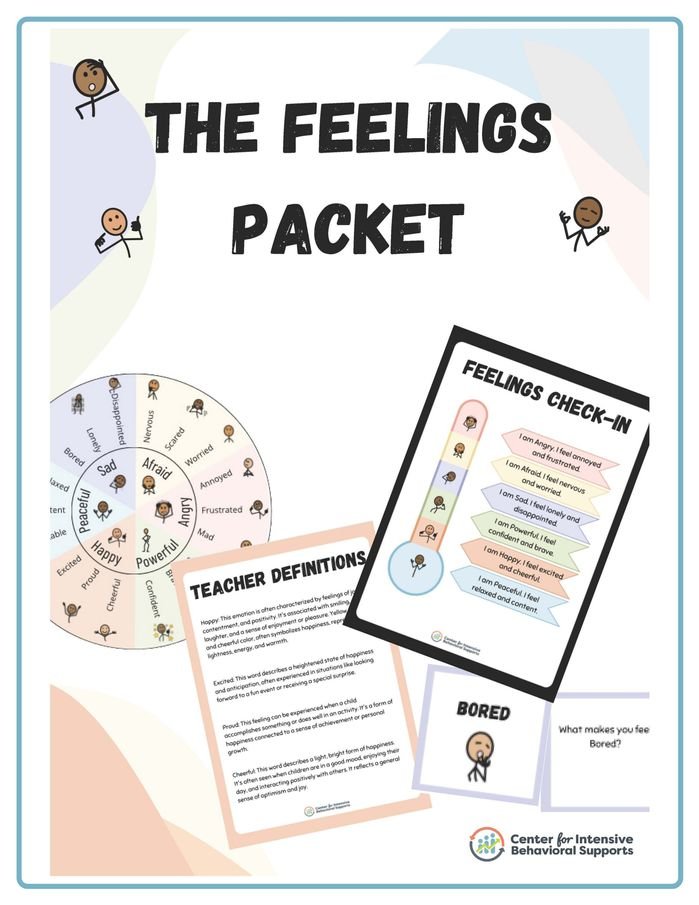
The Feelings Packet is a set of resources for students functioning at the 3-9 year old range. Included are a feelings compass, feelings scale, student dictionary, teacher definitions, drawing prompts, writing prompts, and cards differentiated at three different levels. Use this packet to help build an emotional vocabulary with your students.
The Feelings Packet PDF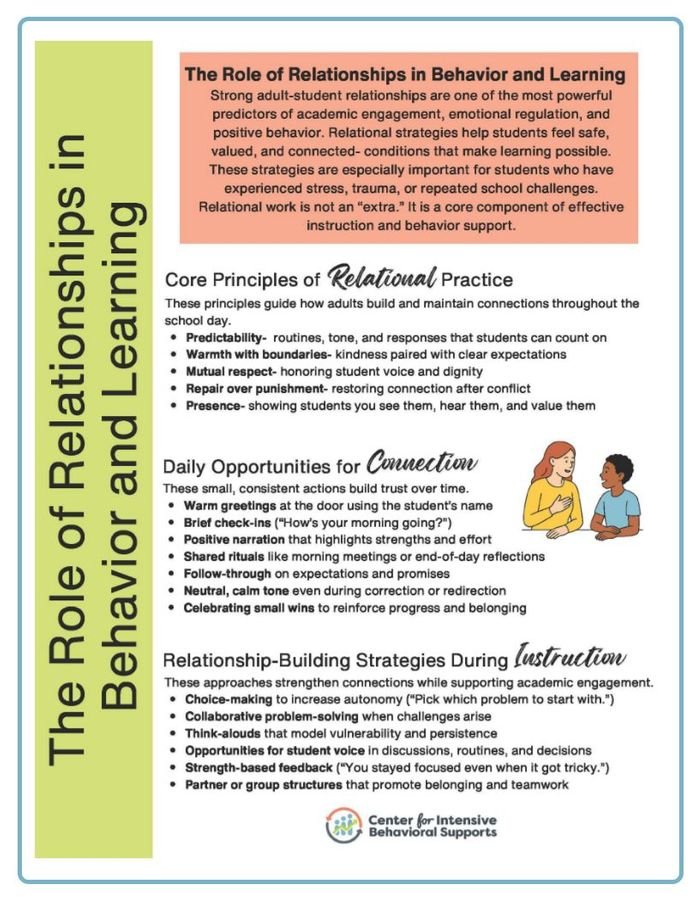
This resource reviews core principles of relational practice and highlights daily opportunities for connection. It provides practical strategies for building trust during instruction and challenging moments, reminding educators that relationships are foundational, not optional, in creating safe, supportive learning environments.
Resource for The Role of Relationships in Behavior and Learning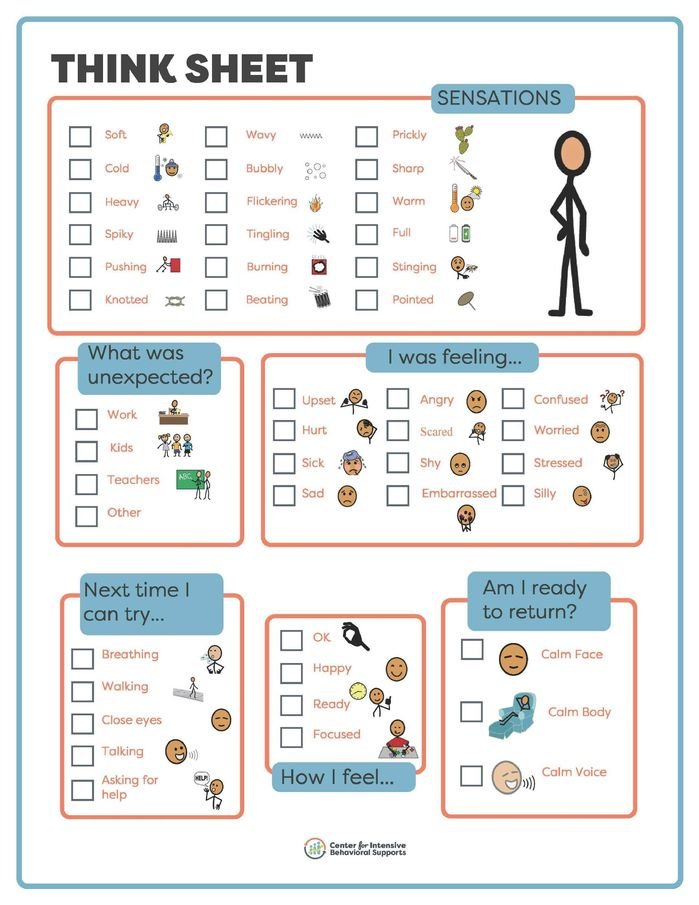
Thinks Sheets are reflective activities designed to help students focus on their body sensations that occurred during a time of dysregulation. The activity helps a student to identify sensations and feelings they may have experienced and helps to identify strategies for self-regulation when experiencing similar sensations in the future.
Think Sheet PDF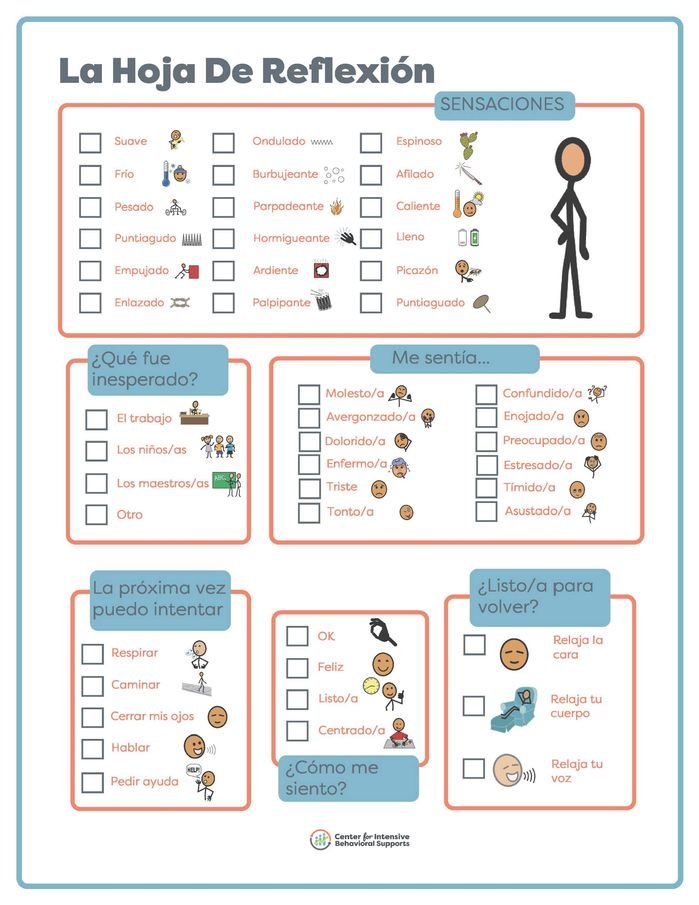
La Hoja De Reflexión ofrece varias actividades diseñadas para que los estudiantes se centren en las
emociones corporales que fueron alteradas durante un período
agitado. Estas actividades ayudan a los estudiantes a identificar las sensaciones y sentimientos que pueden haber experimentado, y también, ayudan a identificar estrategias para autorregularse por si experimentan sensaciones similares
en el futuro.
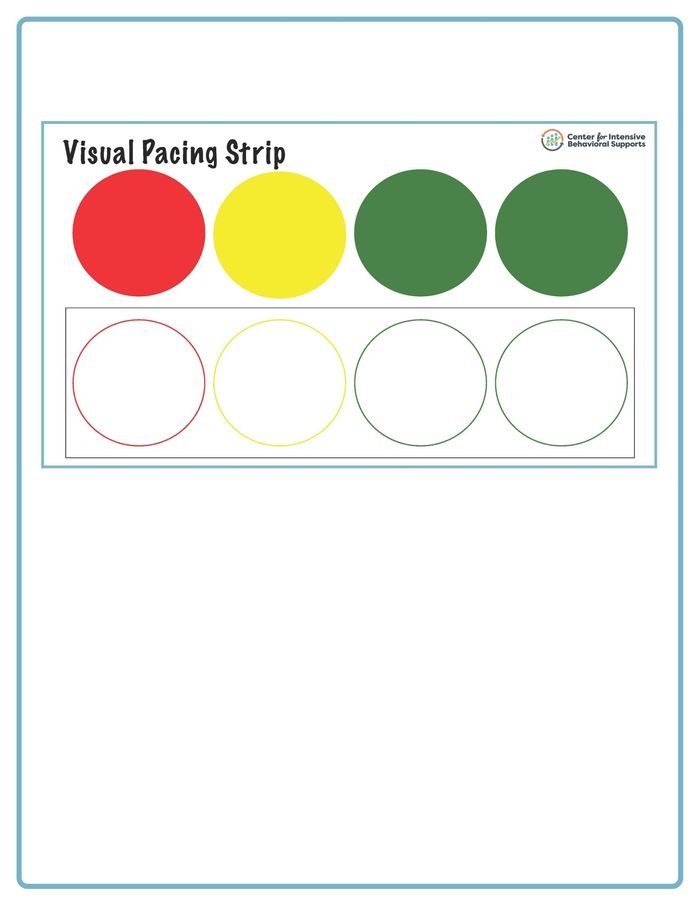
Visual Pacing Strips are flexible tools that allow adults to control the visual progression of time-based on student response or age and vary accordingly. They are effective for class-wide application and as a layer of additional support for individual students.
Visual Pacing Strip PDF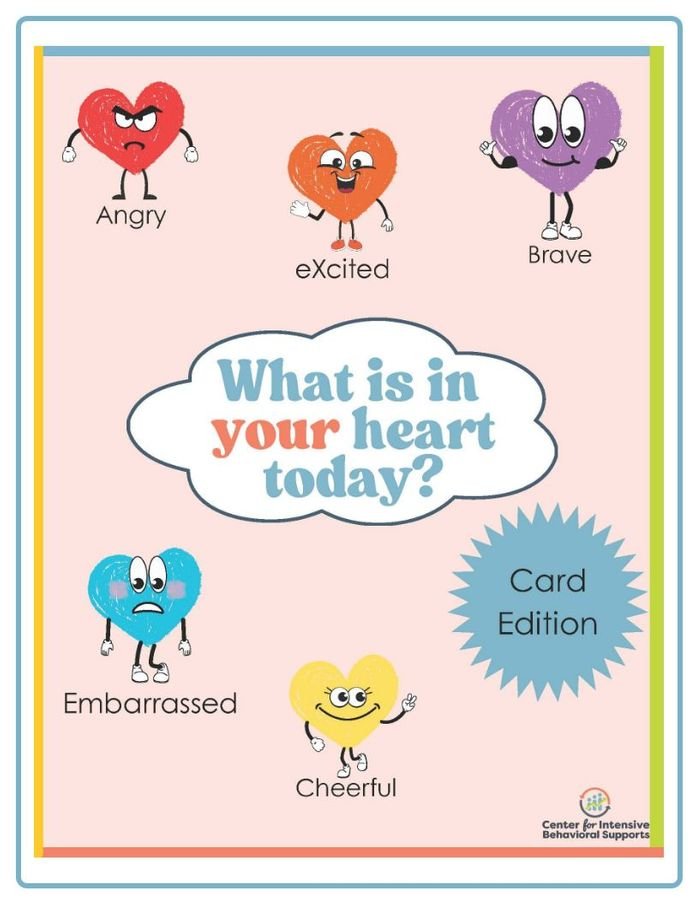
These fun and expressive heart-shaped emotion flash cards help students learn and talk about their feelings in a playful and relatable way. Each card features a different feelings word with a heart character that reflects the identified emotion.
What Is In Your Heart Today? Cards PDF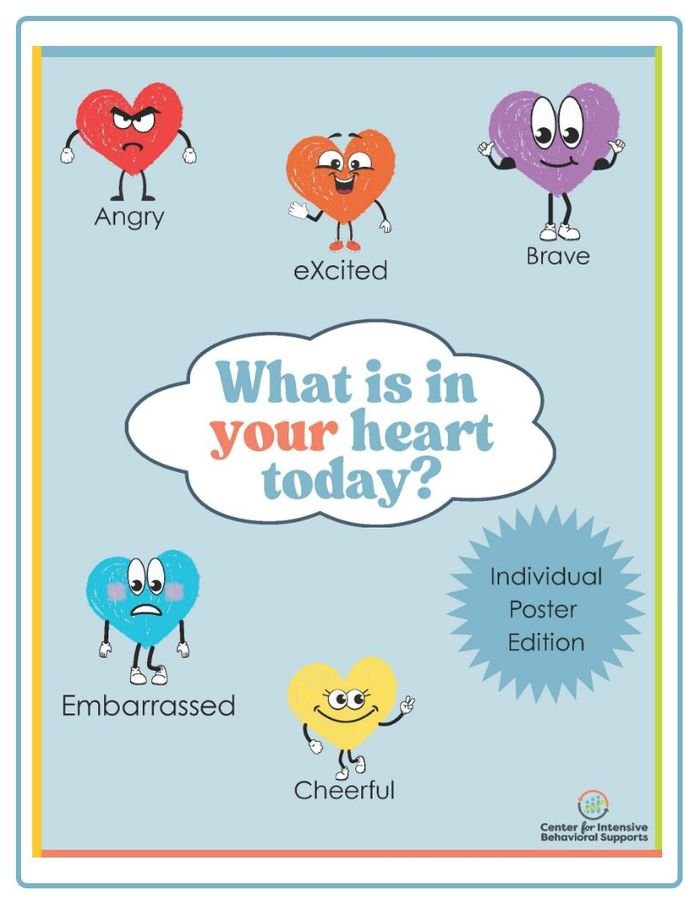
These full-page emotion posters each feature one feeling word with a fun heart character, giving students a visual and engaging way to connect with emotions. The last poster includes space for students to draw their own picture to invent their own feeling heart character.
What Is In Your Heart Today? Full Page Poster PDF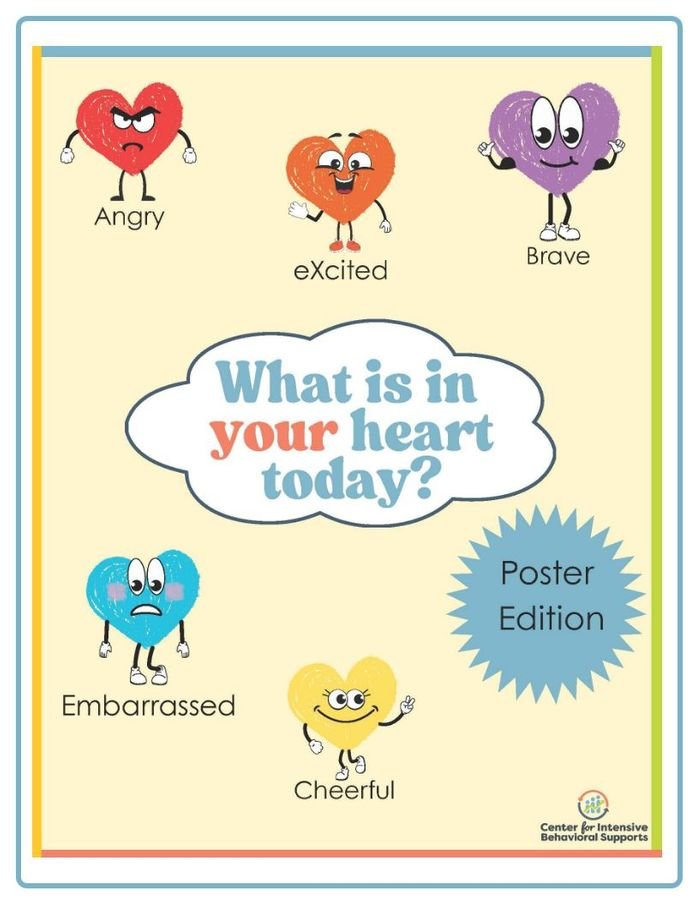
This cheerful and colorful poster helps students identify and name their feelings using heart characters. It's a fun, visual way to build emotional awareness and create daily check-in moments with your class.
What Is In Your Heart Today? Poster PDF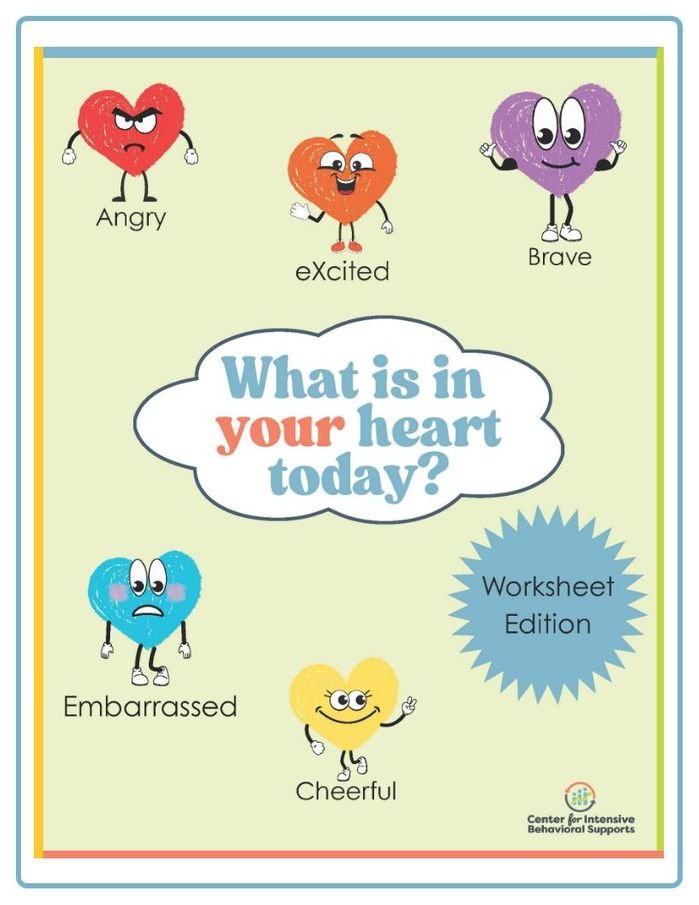
These heart-themed worksheets invite students to explore their emotions by drawing a picture that matches each feeling word. It’s a creative and reflective way for students to connect with their feelings and begin to understand the different ways emotions can show up in their lives.
What Is In Your Heart Today? Worksheets PDF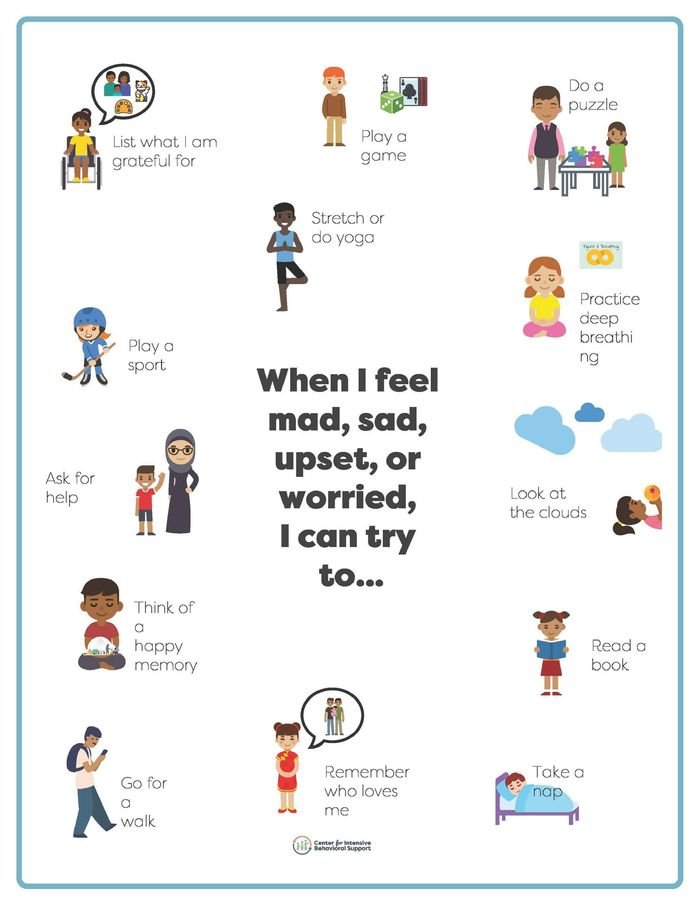
The When I Feel... I Can Try... strategy offers images for students to focus on to help re-frame negative thoughts into positive feelings.
When I feel... PDF